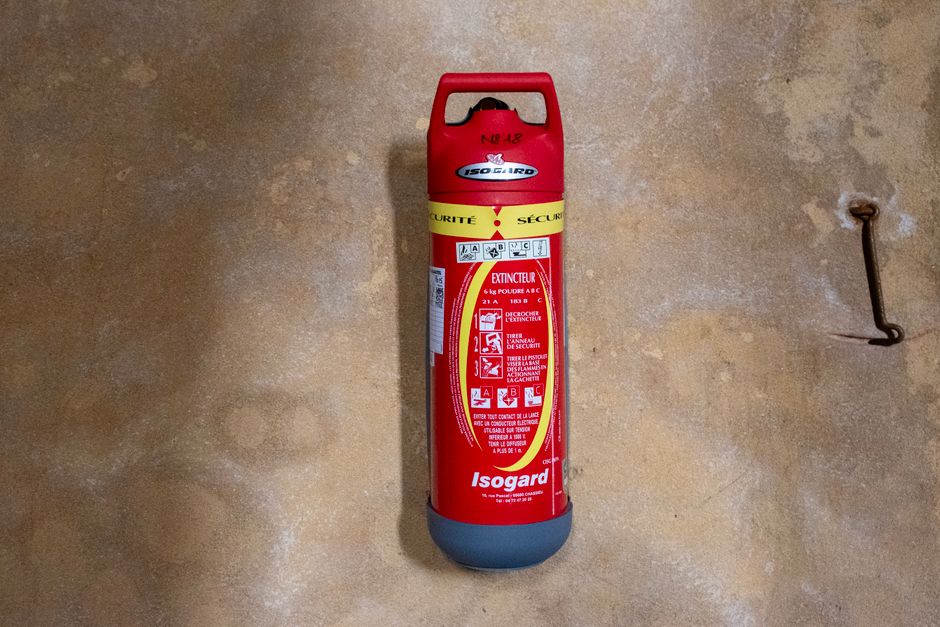
A recent blaze that could have been avoided
Picture a midsized agro‑chemical unit on the outskirts of Karnal, where a leak from a nitrogen‑based fertilizer tank ignited a pool of liquid. Within minutes, flames raced along the storage aisle, overwhelming the modest alarm system. Workers scrambled, but the lack of a dedicated emergency route meant many were trapped until the fire brigade arrived. The incident left the plant offline for weeks and raised questions about basic safety gaps that are common across Haryana’s chemical hubs.
The fire investigation highlighted three glaring oversights: chemicals stored without segregation, detection devices that were neither linked to a central panel nor regularly tested, and a sprinkler layout that missed the high‑risk zone. These shortcomings are not unique to Karnal; many factories in Kaithal, Hisar and Rohtak follow similar ad‑hoc practices driven by cost pressure rather than risk assessment. The lesson is clear—reactive compliance cannot replace proactive engineering.
For owners and facility managers, the first step is to acknowledge that every kilogram of hazardous material introduces a potential ignition source. Recognising the specific hazards—flammable liquids, reactive powders, pressurised gases—allows you to map out protection zones before any equipment is installed. This mindset shift from “we have a fire extinguisher” to “we have a fire‑resistant system” is the foundation for the measures described below.
Storing agro‑chemical raw material safely
The relevant Indian Standard recommends that flammable liquids be kept in metal drums with tight‑fitting caps, placed on non‑combustible pallets, and isolated from heat sources. In practice, this means setting up a dedicated storage bay with concrete flooring, ventilation that prevents vapour accumulation, and secondary containment to capture spills. Signage in Hindi and English should be posted at each entry, indicating the class of material and required PPE for handling.
Segregation is more than a label. In a typical plant, you will find nitrogen‑based fertilizers, organophosphate pesticides and acid‑based herbicides stored side by side. Grouping them by compatibility—keeping oxidisers away from organics, acids away from bases—reduces the chance of a cross‑reaction if a leak occurs. A simple colour‑coded system (red for oxidisers, blue for acids, green for organics) helps workers quickly identify the correct aisle during routine checks.
Periodic inventory checks, logged in a hard copy register or a simple spreadsheet, ensure that expired containers are removed before they deteriorate and become leak‑prone. Staff should be trained to spot signs of corrosion, rust or damaged seals, and to report them immediately. A weekly walk‑through by a senior supervisor, armed with a checklist, reinforces accountability and keeps the storage area in line with safety expectations.
- Use metal drums with tight‑fitting caps
- Place drums on non‑combustible pallets
- Provide secondary containment for each aisle
- Implement colour‑coded segregation
- Conduct weekly supervisor walk‑throughs
Choosing the right fire detection system
A reliable detection network starts with locating heat‑sensitive point detectors at each storage rack and linking them to a central annunciator panel in the control room. In humid Haryana conditions, choose detectors with a sealed housing to avoid false alarms caused by condensation. The panel should display zone numbers, allowing the operator to pinpoint the exact aisle where temperature spikes occur.
Smoke detectors are less effective for liquid spills, but they are indispensable in the office and workshop areas where combustible dust can accumulate. Opt for photoelectric units that react swiftly to smoldering particles. All detectors must be tested quarterly using a calibrated test gas; the test log should be signed by the person conducting the inspection to provide an audit trail for any regulatory review.
Zed‑King Fire & Safety offers a comprehensive site‑survey service that maps out detector placement, verifies wiring integrity and calibrates the alarm panel to meet the specific layout of agro‑chemical factories. Their engineers work on‑site to ensure that each zone is clearly labelled and that the audible alarm reaches every shift worker, even in the far‑flung storage yards.
Designing an effective sprinkler layout
Sprinkler heads must be positioned to cover the full width of the storage bay, with a spacing that accounts for the most volatile substance stored. In practice, a semi‑obstructed‑sprinkler type works well around stacked drums, delivering a fine mist that cools the vapour cloud before it can flash over. The piping network should be insulated to prevent freezing in winter months, a concern for factories near the northern plains.
Pressure testing of the sprinkler loop is essential after installation. The test confirms that water can reach the most distant head with enough force to discharge the required flow. A pressure gauge at the main valve, read by a qualified technician, should show a stable reading that matches the design assumptions. Any drop indicates leaks or blockages that must be cleared before the system is commissioned.
Routine maintenance includes a visual inspection for rusted brackets, clogged nozzles and damaged seals. An annual flow test, conducted by a certified contractor, validates that the system still meets the design criteria. Documentation of each test, stored in the plant’s safety folder, provides evidence during fire‑safety audits and helps track the system’s health over time.
- Install semi‑obstructed sprinkler heads
- Space heads to cover full storage width
- Insulate piping against winter freeze
- Perform pressure test after installation
- Conduct annual flow verification
Building an emergency response plan that works
An emergency plan should start with a clearly marked evacuation route that avoids the chemical storage zone. Maps posted at every entrance must show alternate exits, assembly points away from wind‑driven smoke, and the location of the nearest fire‑extinguishing equipment. Conducting a mock drill every quarter familiarises new staff and highlights bottlenecks that a real incident would expose.
Communication is the linchpin of any response. Equip each shift supervisor with a handheld radio linked to the site’s central control room, and ensure that the control room has a direct line to the local fire brigade. A simple “Code Red” call‑out, transmitted via the radio network, should trigger the automatic shutdown of pumps and the activation of the sprinkler system, limiting the fire’s spread.
Post‑incident debriefs are as important as the drill itself. After a drill or an actual fire, gather the response team to discuss what worked, what didn’t, and how procedures can be tightened. Record these findings in a logbook and revise the emergency plan accordingly, keeping it a living document rather than a static poster.
- Post evacuation maps at every entrance
- Run quarterly mock drills
- Provide radios to shift supervisors
- Establish direct fire‑brigade line
- Hold post‑incident debriefs
Putting it all together – your next practical step
When you align chemical storage, detection, suppression and response into a single safety framework, the likelihood of a catastrophic fire drops dramatically. Start by auditing each area against the checklists provided, noting gaps and prioritising quick fixes such as installing additional heat detectors or re‑segregating incompatible chemicals. Small adjustments, like tightening drum caps or adding secondary containment, yield immediate risk reduction.
Next, engage a qualified fire‑safety partner to verify that your sprinkler design complies with the relevant Indian Standard and that your alarm panel is correctly wired. A professional audit also uncovers hidden vulnerabilities—such as inadequate water supply pressure—that only an experienced engineer can spot. Their recommendations become the roadmap for phased upgrades without disrupting production.
Finally, call Zed‑King Fire & Safety for a free site survey. Their team will walk the plant, review your existing documentation, and provide a tailored action plan that fits your budget and schedule. A single phone call can set the process in motion and keep your factory compliant, safe, and operational.