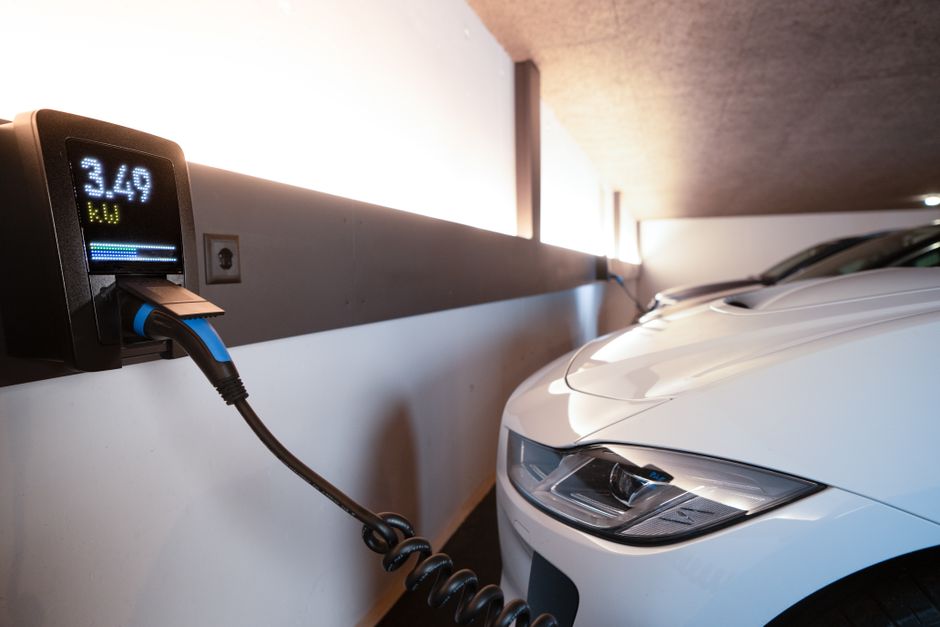
Why a basement EV charger can become a fire hazard
Picture a small textile showroom in Karnal that decides to add two fast‑charging points in its underground storage area. The floor is concrete, the ceiling low, and the only ventilation comes from a narrow duct serving the fire‑escape stair. When a vehicle plugs in, the charger draws high current, and the surrounding cables heat up. In a cramped space, a single spark can ignite dust, oil residues, or the insulation of adjacent wires, turning a routine charge into a flash fire before the alarm even sounds. Understanding how heat, confined volume and electrical load interact is the first step toward preventing such incidents.
The controversy that sparked public debate in Haryana involved the denial of a fire‑NOC for a basement charger in a shopping complex. Inspectors cited inadequate smoke extraction and the absence of a dedicated fire‑detection zone. That decision highlighted a gap: many business owners assume that a standard wall‑mounted charger works anywhere, but the Indian fire‑safety framework demands specific measures when the equipment sits below ground level. Ignoring those requirements can lead to costly delays, fines, or, worse, a real blaze that endangers lives.
For a facility manager, the risk matrix looks different when the charger is underground. The fire load includes not only the charger itself but also stored goods, pallets, and any combustible liquids used for cleaning. The confined space limits heat dissipation, so temperature rise can be faster than in a ground‑floor garage. Moreover, evacuation routes may be longer, and the smoke may travel upward through service shafts, affecting occupants on higher floors. These realities compel a tailored approach rather than a copy‑and‑paste of a ground‑level plan.
Key compliance checkpoints before you start digging
The first practical step is a site‑survey that maps out structural columns, existing electrical conduits and the fire‑escape route. The relevant Indian Standard requires a clear separation distance between the charger cabinet and any combustible storage, typically measured in multiples of the charger’s rated voltage. In a basement, that often means shifting pallets or installing a non‑combustible platform beneath the unit. Documenting these distances on a floor plan helps the fire‑department officer verify compliance without back‑and‑forth site visits.
Next, verify that the power supply to the charger is routed through a dedicated circuit breaker of appropriate rating, equipped with residual‑current devices. The breaker must be housed in a fire‑rated enclosure, and the wiring should carry the BIS mark for electrical safety. Any splicing or junction boxes inside the basement need to be sealed and labeled, ensuring that future maintenance crews can locate them quickly. A written log of these electrical provisions should accompany the fire‑NOC application.
Finally, the fire‑department will look for a documented ventilation strategy. Because a basement lacks natural airflow, a mechanical exhaust system must be sized to remove hot gases and smoke at a rate that keeps the ambient temperature below the ignition point of surrounding materials. The system should include a back‑draft damper to prevent fire‑driven smoke from re‑entering the charging zone. Installing a variable‑speed fan with a thermostat‑controlled start can meet the requirement while conserving energy during idle periods.
- Map structural columns and existing services
- Maintain required clearance from combustibles
- Install dedicated, BIS‑marked circuit protection
- Provide sealed, labeled junction boxes
- Fit a mechanically controlled exhaust fan with back‑draft damper
Designing a fire‑detection network that actually works underground
A conventional smoke detector mounted on a ceiling may never see the first plume in a low‑clearance basement, especially if the charger’s heat rises faster than the smoke spreads. Instead, opt for a combination of heat‑sensing and multi‑criteria detectors placed at the charger cabinet’s height and at the ceiling of the storage aisle. These devices should be linked to a central fire‑alarm panel that flashes a visible strobe in the stairwell and sounds a low‑frequency horn audible even through concrete walls.
When wiring the detectors, use fire‑resistant cable that is routed away from the charger’s power lines to avoid electromagnetic interference. The alarm panel must be located on a fire‑resistant wall at ground level, with a duplicate display in the control room of the building. Periodic testing, at least quarterly, ensures the detectors remain calibrated; the test log should be part of the building’s fire‑safety records and presented during any NOC renewal.
Zed‑King Fire & Safety can conduct the entire detection‑system layout, supplying certified detectors, running the fire‑rated cabling, and commissioning the panel to meet the relevant Indian Standard. Their service includes a hand‑over of the maintenance schedule, so the business never misses a test and stays compliant without extra effort.
Ventilation and heat‑dissipation strategies for underground chargers
Effective ventilation begins with a calculation of the charger’s maximum heat output under continuous use. In a basement, the exhaust duct should terminate at the roof or an approved external vent, not merely into another underground void. A ducted system with stainless‑steel lining prevents corrosion from any stray oil vapour that may escape from nearby mechanical workshops. Installing a flow‑meter allows the facility manager to verify that the fan maintains the required air exchange rate during peak charging periods.
Supplementary passive measures can also help. A fire‑resistant, non‑combustible flooring material such as epoxy‑coated concrete reduces the chance of a surface fire spreading. Reflective insulation panels on the walls keep radiant heat away from stored goods. If the basement houses a small pantry or water‑cooling equipment, ensure that those units have their own dedicated exhaust paths to avoid cross‑contamination of smoke streams.
Regular maintenance of the ventilation system is as critical as the initial design. Filters must be inspected monthly, and any blockage in the ductwork should be cleared immediately. A record of these activities, signed off by a qualified electrician, forms part of the fire‑NOC dossier and demonstrates proactive risk management to the authorities.
- Size exhaust fan for peak charger heat load
- Terminate duct at roof or approved external vent
- Use stainless‑steel duct lining
- Install flow‑meter for real‑time verification
- Apply fire‑resistant epoxy flooring
Emergency response plan and post‑installation upkeep
Even with the best preventive measures, a fire can still ignite. The emergency response plan must assign clear roles: a designated fire‑warden to pull the nearest manual call point, a trained staff member to operate the isolation switch on the charger’s supply, and a second person to guide occupants down the fire‑escape stair. The plan should be posted at the charger location and rehearsed monthly, using a realistic drill that includes smoke simulation to test visibility and alarm audibility.
Fire‑extinguishing equipment in a basement requires special consideration. Water‑based extinguishers can cause electrical short circuits, so the preferred choice is a dry‑chemical or CO₂ unit rated for electrical fires, mounted on a wall within easy reach of the charger cabinet. The unit’s pressure gauge must be checked after each use and refilled by a certified service provider. Keeping a small stock of fire‑blankets near the charger can also help staff smother a nascent flame before it spreads.
Finally, schedule an annual fire‑safety audit that reviews the charger’s condition, detector functionality, ventilation performance and emergency‑procedure adherence. The audit report should be filed with the local fire‑department as part of the ongoing NOC renewal process. For businesses that prefer a hassle‑free route, Zed‑King Fire & Safety offers a comprehensive annual maintenance contract that includes detector testing, fan servicing and fire‑extinguisher refilling, ensuring the basement EV station remains safe year after year.
- Assign fire‑warden and isolation‑switch operator
- Post and drill the emergency plan monthly
- Mount dry‑chemical/CO₂ extinguisher near charger
- Keep fire‑blanket within arm’s reach
- Conduct annual fire‑safety audit
Practical next steps for Haryana business owners
Start by drawing a simple layout of your basement, marking the intended charger location, existing utilities and the nearest fire‑escape stair. Use that sketch to request a preliminary site‑survey from a qualified fire‑safety consultant. The survey will reveal any structural or ventilation constraints that need correction before you approach the fire‑department for an NOC.
Next, procure chargers and ancillary equipment that carry the BIS mark, and ensure the electrical contractor follows the documented separation distances and dedicated circuit requirements. Install heat‑sensing detectors, a mechanical exhaust fan with back‑draft damper, and a dry‑chemical extinguisher as described earlier. Keep a log of all installations, tests and maintenance activities; this becomes your evidence package during NOC review.
Finally, give Zed‑King Fire & Safety a call for a free on‑site assessment. Their experts will validate your design, help you compile the fire‑NOC application, and can schedule the first round of detector testing. A quick phone call today can keep your basement EV charging project on track and protect both your assets and your people.