A night in Rewari that changed the conversation
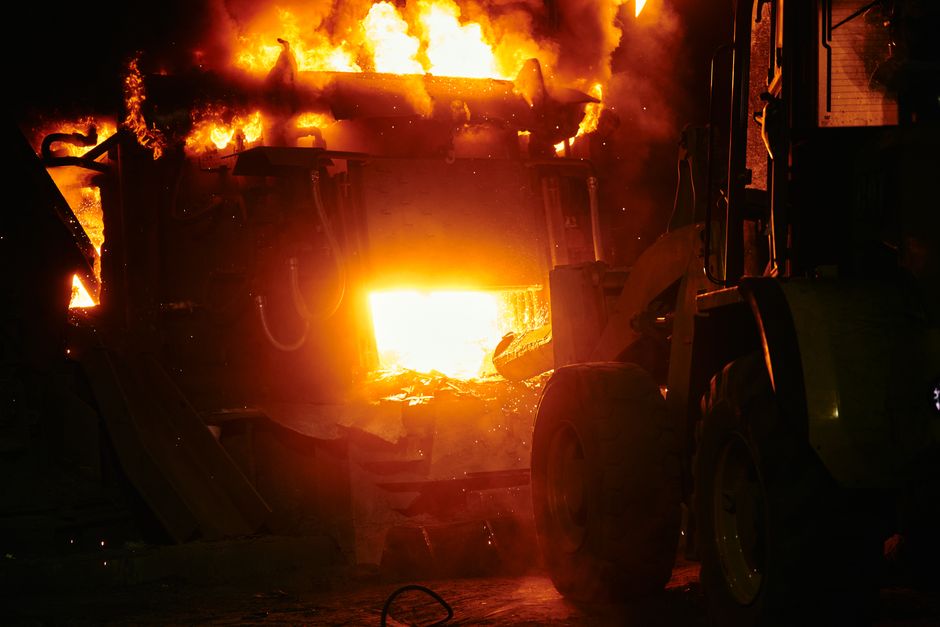
Imagine a midsized textile unit in Rewari, humming with loom activity, when a short circuit sparks a blaze in the loading bay. Within minutes, flames lick the steel columns, smoke chokes the ventilation, and workers scramble for the nearest exit. The factory’s fire alarm sounds, but the designated fire safety officer is nowhere to be found, leaving the crew to rely on ad‑hoc volunteers. By the time the local fire brigade arrives, the fire has already gutted half the production floor, and the officer is arrested for falsifying safety records—a headline that still echoes across Haryana’s industrial corridors.
The Rewari incident laid bare a common misconception: that appointing a fire safety officer is a paperwork exercise. In reality, the officer is the frontline defender, responsible for daily inspections, equipment testing, and coordinating drills. When the officer fails to perform, the consequences ripple beyond property loss—workers face injury, insurance premiums surge, and regulators launch punitive investigations. The arrest sent a clear signal that negligence will be pursued under the relevant Indian safety statutes, and that factories cannot hide behind nominal appointments.
For owners and facility managers, the lesson is stark. A qualified fire safety officer must blend technical know‑how with on‑site authority, ensuring that fire extinguishers are serviced, escape routes stay clear, and alarm systems are audible throughout the plant. The Rewari case shows that a single lapse can trigger criminal liability, hefty fines, and a permanent stain on a company’s reputation. Understanding this risk sets the stage for building a resilient safety culture that survives inspections and real emergencies alike.
Legal landscape for fire safety officers in Haryana
The Indian legal framework treats the fire safety officer as an accountable professional rather than a passive clerk. Under the relevant Indian Standard and state fire code, the officer must maintain a fire safety log, ensure periodic testing of hydrants, and certify that evacuation routes are unobstructed. Failure to meet these duties can attract criminal prosecution, especially when a fire results in loss of life or significant property damage. Courts have consistently held the officer personally liable if negligence is proven, reinforcing the need for documented competence.
In Haryana, the fire department conducts surprise audits that examine the officer’s qualifications, training certificates, and day‑to‑day records. Inspectors look for evidence that the officer has conducted mock drills, verified the pressure of fire hoses, and confirmed that fire alarm panels are functional. If the officer cannot produce up‑to‑date training logs, the entire factory may face suspension of its Fire NOC until corrective action is taken. This legal pressure makes it essential to hire someone whose credentials can survive scrutiny.
Beyond criminal risk, civil liability can arise when employees or neighboring businesses suffer damage due to inadequate fire response. Insurance underwriters often request a copy of the fire safety officer’s competency report before issuing coverage. When a factory lacks a qualified officer, insurers may raise premiums or decline claims after an incident. Thus, the legal and financial stakes converge on a single role, making the appointment of a trained, accountable officer a business imperative rather than an optional compliance tick.
Key competencies a factory fire safety officer must possess
First and foremost, a fire safety officer should hold a recognised fire safety certification from an accredited institute, covering topics such as fire dynamics, extinguishing agent selection, and emergency evacuation planning. Practical exposure to industrial hazards—like flammable liquids in a chemical storage area or high‑temperature ovens in a bakery—adds depth to theoretical knowledge. The officer must also be comfortable operating portable extinguishers, reading pressure gauges on CO₂ systems, and conducting routine checks on fire doors for proper sealing.
Communication skills rank alongside technical ability. During a drill, the officer must give clear, concise instructions that reach every shift worker, even those in noisy sections like a metal‑cutting bay. They should maintain a written log that records each inspection, noting the condition of alarm panels, the expiry dates of fire extinguishers, and any remedial actions taken. This documentation becomes the primary evidence during a regulatory audit and demonstrates a proactive safety culture.
Finally, the officer must stay current with evolving fire safety standards and local amendments. Attending refresher courses, participating in Haryana fire department workshops, and reviewing updates from the relevant Indian Standard body keep the officer’s knowledge sharp. Without this continuous learning loop, even a well‑trained officer can fall behind, exposing the factory to compliance gaps that regulators will quickly flag.
How to verify competence before hiring
Start with a structured interview that probes both theory and practice. Ask candidates to walk you through a recent mock drill they led, describing how they assessed alarm audibility, verified escape‑route signage, and recorded participant feedback. Request copies of their certification, training attendance sheets, and any refresher course completions. Cross‑check these documents with the issuing institute’s records where possible, ensuring the credentials are genuine and not merely scanned copies.
Next, conduct an on‑site competency test. Assign the candidate to inspect a section of the plant, checking fire hose pressure, confirming that fire extinguishers are correctly placed, and evaluating the condition of fire doors. Observe how they document findings, prioritize corrective actions, and communicate any immediate hazards to the supervisor. This practical exercise reveals whether the candidate can translate classroom learning into real‑world vigilance.
Zed‑King Fire & Safety offers a specialised fire safety officer assessment service that combines document verification with a hands‑on audit of the candidate’s on‑site performance. Our engineers shadow the prospective officer during a routine inspection, providing an independent verdict on suitability. This service helps factories avoid the costly mistake of hiring an unqualified individual and ensures the officer can meet both regulatory and operational expectations.
- Request original certification and training logs
- Conduct a practical on‑site inspection test
- Use an independent third‑party assessment (e.g., Zed‑King) for verification
Building a sustainable fire safety program
A single officer cannot shoulder the entire safety burden; the role must be embedded within a broader program that includes regular drills, equipment maintenance contracts, and clear reporting lines to senior management. Schedule quarterly fire drills that simulate different scenarios—electrical fault, chemical spill, or warehouse blaze—to keep staff familiar with evacuation routes and assembly points. After each drill, circulate a concise after‑action report highlighting strengths and gaps, and assign corrective tasks to relevant supervisors.
Equipment reliability hinges on preventive maintenance. Contract reputable service providers to service fire pumps, test alarm panels, and recharge extinguishers before their service life expires. Keep a central register that logs every maintenance activity, the date of service, and the technician’s signature. When the register is up to date, auditors can quickly verify compliance, and the factory avoids surprise equipment failures that could turn a small spark into a full‑scale fire.
Leadership commitment is the glue that holds the program together. Senior managers should review fire safety reports at monthly operational meetings, allocate budget for training and equipment upgrades, and recognise teams that demonstrate exemplary fire readiness. When safety becomes a board‑level KPI, the fire safety officer gains the authority needed to enforce standards, and the factory cultivates a culture where fire prevention is everyone’s responsibility.
- Quarterly multi‑scenario fire drills
- Centralised maintenance register with technician sign‑off
- Monthly senior‑management review of fire safety performance
Next steps for factories without a qualified officer
If your plant currently relies on a nominal appointment or an untrained staff member, the first action is to conduct a gap analysis. List every fire‑related task—alarm testing, extinguisher inspection, evacuation drill coordination—and mark who is responsible. Identify missing qualifications, outdated records, or equipment that has not been serviced in the past year. This audit will give you a clear picture of the immediate remedial work required to meet legal expectations.
Second, engage a reputable fire safety consultancy to source a certified officer and design a customised training calendar. The consultancy can also assist in updating fire safety logs, preparing the necessary documentation for a Fire NOC renewal, and liaising with the Haryana fire department for an interim compliance check. By addressing the shortfall quickly, you reduce exposure to legal action and demonstrate good faith to regulators.
Finally, schedule a free site survey with Zed‑King Fire & Safety. Our engineers will walk through your facility, point out compliance gaps, and recommend a qualified officer profile that matches your operational complexity. A simple phone call can set the process in motion, ensuring your factory moves from risk to resilience without delay.