Jul 15, 2026Last updated Oct 1, 2026By Naresh Ravish6 min read
Immediate Response Checklist for Agro-Chemical Factory Fires in Haryana
A step-by-step emergency checklist for agro-chemical plants in Haryana: raising the alarm, safe evacuation and working with the fire service.
What can go wrong in the first minutes
Imagine a storage silo at an agro-chemical factory in Karnal releasing vapours that ignite when a faulty motor starter sparks. The first alarm is delayed because the manual pull station is hidden behind a stack of drums, and the control room operator dismisses the first tone as a routine test. By the time the automatic heat detector trips, flames have already passed the secondary containment and reached the adjacent mixing vats. The delay costs precious minutes that could have been used to isolate the source and start a coordinated evacuation.
Workers on the floor hear the alarm, but the evacuation route map is outdated; a newly installed conveyor line blocks the designated stairwell exit. Some crew members try to fight the fire with portable extinguishers that are not rated for chemical fires, wasting time and exposing themselves to toxic fumes. With no clear assembly point, supervisors have to shout directions, creating confusion and slowing the headcount.
Even when the fire brigade arrives quickly, its access can be held up by a locked service gate, and nobody on site can say what state the fire-suppression systems are in. The scenario shows three recurring gaps: alarm placement, evacuation route clarity, and coordination with the fire service before any incident. These gaps form the backbone of the checklist that follows.
Step 1 – Immediate alarm activation and verification
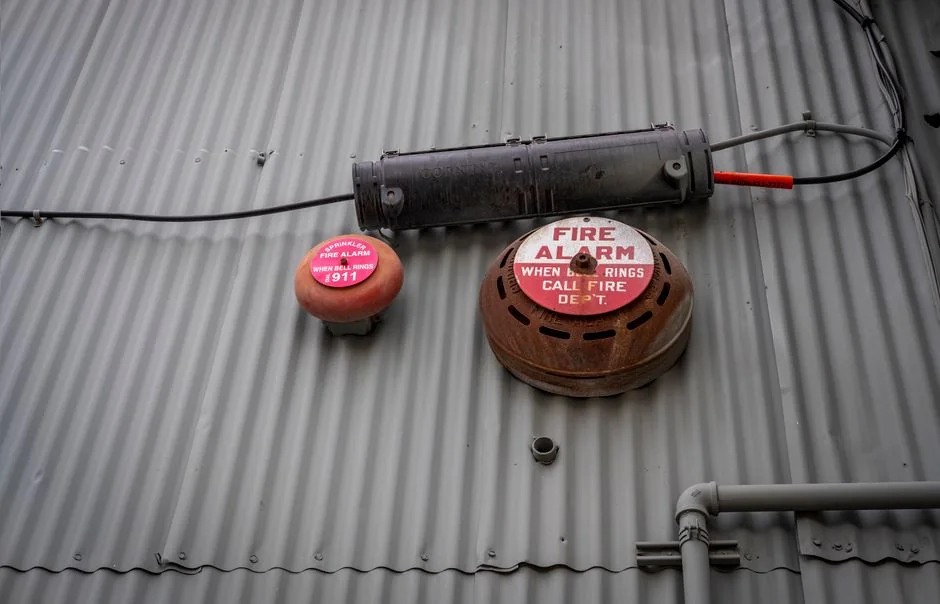
When any abnormal heat, smoke, or chemical odour is detected, the nearest manual pull station must be activated without hesitation. The station should be clearly marked with reflective tape and kept free of storage items. Once pulled, the operator in the control room confirms the alarm by checking the visual annunciator panel and listening for the distinct, high-low siren pattern that signals a chemical fire.
Verification is a quick visual sweep: look for flame, smoke plume, or vapor cloud from the source. If the alarm originated from an automatic detector, the operator must still perform a manual check within thirty seconds to avoid false-positive delays. A short radio call to the on-site fire-watch team confirms that the alarm is genuine and triggers the next phase of the response.
The control room then initiates the pre-recorded emergency broadcast, which includes a brief description of the incident zone and the recommended safe egress route. This broadcast must be audible in all work areas, including the outdoor loading dock, to ensure every employee hears the same instruction at the same time.
Pull nearest manual alarm
Confirm alarm on control panel
Radio check with fire-watch team
Start emergency broadcast
Step 2 – Evacuation and assembly point management
All personnel follow the colour-coded evacuation signs that lead to the nearest unobstructed stairwell. The signs are placed at regular intervals and are illuminated by battery-backed LEDs, so they remain visible even if power fails. Floor wardens, identified by bright safety vests, guide groups toward the pre-designated assembly area located on the far side of the compound, away from potential chemical plume drift.
At the assembly point, a headcount is taken against the daily attendance register. The register is kept in a waterproof binder and includes a column for ‘evacuated’ versus ‘missing’. Any discrepancy triggers an immediate search by the floor warden and a radio alert to the incident commander. The commander records the situation on a portable tablet, which uploads the data to the central incident log for later review.
Zed-King Fire & Safety can conduct a site-specific evacuation drill and certify that signage, assembly points, and headcount procedures meet the relevant Indian Standard. Their training package includes mock chemical-fire scenarios that help supervisors practice rapid headcounts and communication under stress.
Step 3 – Fire-watch duties and suppression activation
Designated fire-watch personnel remain at the incident zone with a Class B/chemical-rated portable extinguisher and a handheld gas detector. Their first task is to assess whether the automatic sprinkler system has activated; if not, they manually open the nearest fire-hose reel and apply water or foam as recommended for the specific chemical stored. The hose reel is inspected weekly, and the nozzle is set to a wide-spray pattern to cool surrounding vessels.
While applying suppression, the fire-watch reports real-time status to the incident commander via two-way radio. The report includes flame size, heat intensity, and any observed chemical runoff. If the fire spreads beyond the initial containment, the fire-watch escalates the response by contacting the municipal fire-brigade with a concise situation brief, ensuring that external resources arrive with the correct protective equipment.
A post-incident log records the duration of fire-watch duty, the type of extinguishing agent used, and any equipment failures observed. This log is reviewed during the after-action meeting to identify gaps such as missing fire-watch kits or delayed hose-reel deployment.
Carry Class B/chemical extinguisher
Check sprinkler activation
Open nearest hose reel if needed
Radio status to commander
Step 4 – Coordination with local fire services
The incident commander contacts the Karnal fire-brigade through the dedicated emergency line, providing the exact location, type of chemicals involved, and current containment status. A pre-filled fire-service liaison form, kept at the main office, speeds up this exchange. The commander also informs the brigade of any hazardous waste routes that may be compromised, allowing them to plan a safe approach and appropriate protective gear.
On arrival, the fire-brigade expects a quick briefing from the on-site fire-watch team. The briefing includes a map showing the location of fire-extinguishers, shut-off valves for gas lines, and the nearest safe water source. If the plant has an on-site fire-pump, its operating manual is handed over, enabling the brigade to take over control without delay.
After the fire is under control, the brigade conducts a joint de-brief with the plant’s safety officer. They discuss the effectiveness of the alarm, evacuation, and fire-watch actions, and note any equipment that required repair. This collaborative review is essential for updating the plant’s emergency plan and ensuring that future drills incorporate lessons learned.
Step 5 – Post-incident review and continuous improvement
Within 24 hours, the safety team compiles all incident logs, radio transcripts, and brigade reports into a single dossier. The dossier is examined for any missed alarm activations, blocked egress routes, or insufficient fire-watch equipment. Findings are documented in a corrective-action register, assigning responsibility and a realistic timeline for each improvement.
The next scheduled safety audit incorporates the new corrective actions. During the audit, inspectors verify that updated signage is installed, that the manual pull stations are accessible, and that fire-watch kits are fully stocked with the correct extinguishing agents. Any deviation triggers an immediate remedial order before the next production shift begins.
A practical next step for any agro-chemical facility is to request a free site survey from Zed-King Fire & Safety. Their experts will walk the plant, identify hidden hazards, and tailor the checklist to the specific layout, ensuring compliance and protecting lives before the next alarm sounds.
Compile incident logs
Update corrective-action register
Verify signage and fire-watch kits
Frequently Asked Questions
What is the first step when a fire starts in a chemical factory?+
Raise the alarm at once from the nearest manual call point, then confirm it at the control panel and by radio with the fire-watch team so the emergency announcement can start.
How should evacuation be managed in a chemical plant fire?+
Staff follow marked routes to an assembly area away from any chemical plume, guided by floor wardens. A headcount is taken against the attendance register and anyone missing is reported immediately.
What should the fire brigade be told?+
The exact location, the chemicals involved and the current containment status, plus any routes that may be unsafe, so crews can plan their approach and protective gear.
Zed-King Institute of Fire And Safety has handled fire equipment, AMC, Fire NOC and training for factories, schools, hospitals and commercial buildings across Haryana since 2012. Free site survey, honest assessment — only what your building actually needs.