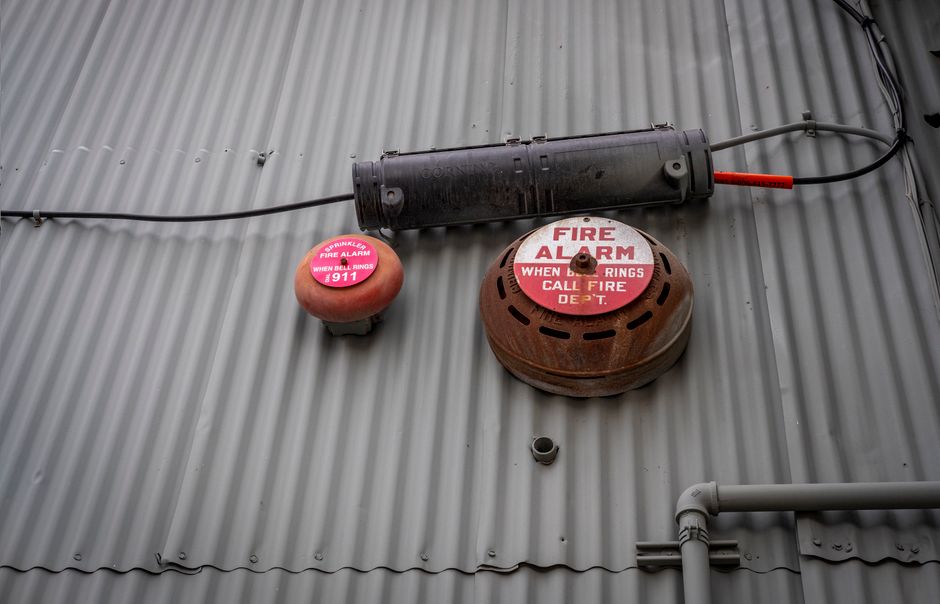
When the Kundli Inferno Ignited, Seconds Counted
Imagine a midsize textile unit on the outskirts of Kundli on a humid July evening. A spark from an overloaded motor ignites a pile of lint, and within minutes the blaze engulfs the roof. Workers hear a faint chirp from a dated alarm, but the sound is muffled by metal cladding, and the signal never reaches the manager’s office. By the time the fire brigade arrives, the structure is a black skeleton and the inventory is gone, leaving the owners scrambling for insurance and replacement equipment.
The same type of facility exists in the industrial belt of Kaithar‑Mandal, where small manufacturers store flammable raw material in narrow aisles. In those cramped layouts, a delayed alarm can mean the difference between a contained incident and a total loss. The Kundli episode reminded every proprietor that the first few seconds after a fire starts are decisive, and that reliable detection must cut through ambient noise, dust, and the hustle of daily operations.
Regulators across Haryana have tightened inspection cycles after the Kundli fire, urging owners to replace legacy bells with addressable, fast‑response detectors. Yet many Kaithal entrepreneurs still rely on a single manual call point at the main gate, assuming staff will notice smoke. Field observations show that without an automated, audible, and visual alert, workers often continue their tasks, unknowingly feeding the fire with oxygen and fuel.
What Makes a Fire Alarm System ‘Fast‑Response’?
A fast‑response alarm combines heat‑sensing and smoke‑detecting technologies that react within seconds to the earliest signs of fire. Photoelectric cells spot the sudden rise of particulate matter, while rate‑of‑rise heat sensors trigger at a fraction of the temperature increase typical of smoldering fires. The detectors are linked to a control panel that instantly broadcasts a loud, low‑frequency tone and flashes strobe lights throughout the premises, ensuring both hearing‑impaired and hearing staff receive the warning.
Addressability is another hallmark: each detector has a unique ID, allowing the panel to pinpoint the exact zone where the alarm originated. When a sensor trips, the display shows a floor‑plan with the affected area highlighted, guiding evacuation routes and directing fire‑fighters to the hotspot. This precision eliminates the guesswork that plagued older systems where the whole building blared a generic siren.
The power backup also matters. Modern units include sealed lead‑acid batteries that sustain operation for at least 24 hours, plus a secondary inverter that keeps the alarm alive during a mains outage. In Kaithal’s monsoon months, when power fluctuations are common, this redundancy prevents a silent failure just when the weather already raises humidity and the risk of electrical sparks.
- Photoelectric smoke detector
- Rate‑of‑rise heat sensor
- Addressable control panel with zone display
- Battery backup for 24‑hour operation
Step‑by‑Step Assessment for Kaithal Owners
Start with a walkthrough of the entire floor plan, marking every high‑risk zone: storage racks for chemicals, boiler rooms, and areas where welding is routine. Note the height of ceilings, the presence of suspended ceilings, and any acoustic barriers that could muffle sound. This visual map becomes the basis for deciding how many detectors are needed and where they must be mounted to achieve line‑of‑sight coverage.
Next, compare the map against the relevant Indian Standard for fire alarm installation. The standard does not prescribe exact numbers, but it does require detectors be spaced so that any point in a room is within a few metres of a sensor. Use a simple checklist: are there at least two independent detection methods in each high‑risk zone? Is there a manual call point near every exit? Are the alarm audibles audible in the farthest corner? Answering these questions helps you spot gaps before you call a contractor.
Finally, invite a qualified fire‑safety service to conduct a site survey. Zed‑King Fire & Safety offers a free on‑site audit that verifies detector placement, checks wiring routes, and ensures the control panel complies with local fire‑code approvals. Their engineers also advise on whether a wireless or wired network suits the building’s layout, saving you the guesswork of retrofitting old conduit.
- Create a zone map of high‑risk areas
- Cross‑check spacing with the Indian Standard guidance
- Confirm manual call points at each egress
Choosing the Right Equipment for Kaithal’s Climate
Select detectors that carry the BIS mark and are rated for high humidity, a common condition in Kaithal’s summer months. Enclosed, dust‑proof housings prevent false alarms caused by grain dust in mandis or flour particles in bakeries. For factories with heavy machinery, opt for heat sensors that ignore transient temperature spikes from normal operation but react to a sustained rise that signals a real fire.
The control panel should support modular expansion, allowing future addition of new zones as your business grows. Look for panels that offer both audible sirens and visual strobe units, because many Kaithal workers rely on visual cues in noisy environments like diesel‑generator rooms. Panels with built‑in diagnostics flash a maintenance warning when a detector battery is low, reducing the chance of silent failure.
Wiring choices matter as well. In older structures with concrete walls, conduit runs can be cumbersome; a wireless mesh network can sidestep that difficulty while still meeting safety approvals. However, ensure the wireless system uses encrypted communication to prevent interference, a feature increasingly required by local fire inspectors.
- BIS‑marked, humidity‑rated detectors
- Dust‑proof housings for grain‑heavy areas
- Modular addressable control panel with strobe
Installation Checklist and Commissioning
Before any device is fixed, shut down the main power and tag all circuits to avoid accidental energising. Mount detectors at the prescribed height—usually three to four feet above the floor for heat sensors and at the ceiling line for smoke detectors. Use stainless‑steel brackets in corrosive environments like chemical storage, and seal all conduit entries with fire‑resistant caulk.
Run the wiring through approved conduit, keeping power and signal cables separated to minimise electromagnetic interference. Connect each detector to the addressable panel, then run a functional test from the panel’s diagnostics menu. Verify that each zone lights up on the display, that the audible tone sounds at the expected decibel level, and that the strobe flashes with the correct frequency.
After the hardware passes the test, program the panel with the building’s evacuation plan. Upload floor‑plan PDFs that show exit routes, assembly points, and fire‑fighter access routes. Conduct a mock evacuation with staff, noting any areas where the alarm is not clearly heard or seen. Adjust detector placement or add auxiliary sounders until every worker can respond within a reasonable time.
- Power off and tag circuits
- Mount detectors at correct height
- Run separate power and signal cables
- Perform functional test on each zone
Maintaining Readiness and the Next Practical Step
Routine maintenance keeps the system reliable. Schedule a quarterly visual inspection to clear dust from detector lenses and check battery terminals for corrosion. Replace batteries at least once a year, even if the panel still shows charge, because age degrades performance. Keep a logbook that records each test, battery change, and any fault cleared, as fire‑department auditors often request this documentation during inspections.
Training the workforce is equally vital. Conduct a short briefing after each test, reminding staff where the manual call points are and how to respond to both audible and visual alerts. Rotate the responsibility of a fire‑warden among shift supervisors so that at least one person on every shift knows how to silence false alarms and how to reset the panel after an incident.
For Kaithal owners who want assurance that their system stays compliant, a simple call to Zed‑King Fire & Safety can trigger a free site survey and a customized maintenance contract. Their technicians will visit, verify detector condition, and update the system firmware if needed, giving you peace of mind that the alarm will speak up the moment a spark appears.
Need help with this at your own site?
Zed-King Fire & Safety has handled fire equipment, AMC, Fire NOC and training for factories, schools, hospitals and commercial buildings across Haryana since 2012. Free site survey, honest assessment — only what your building actually needs.