A scrap‑yard blaze that rattles Jind’s warehouses
Last month a scrap‑yard in Bhiwani erupted into a roaring inferno, sending plumes of black smoke across the district. The fire spread quickly because the site lacked an integrated alarm network, and neighboring warehouses only heard the alarm after the flames had already leapt over their boundaries. Imagine a similar metal‑working unit in Jind’s industrial corridor, where a single spark could ignite stored steel rods, oil drums and cardboard packaging. The absence of early warning turned a manageable incident into a multi‑hour emergency, disrupting production and flooding owners with loss claims.
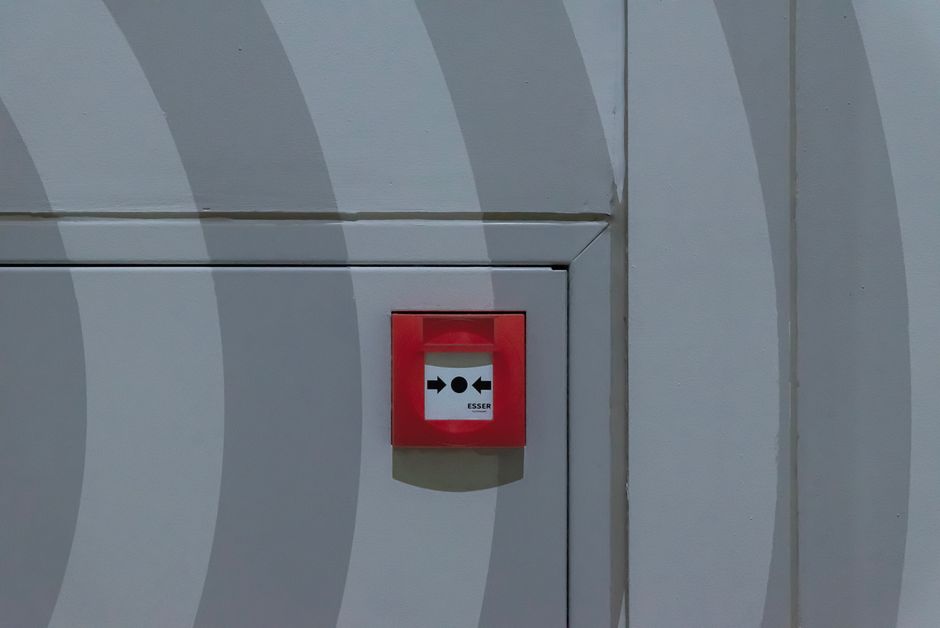
Local business owners in Jind’s industrial zones—particularly those in the Gharaunda and Badhana sub‑areas—have started to ask why their older alarm panels still rely on analog bells and manual pull stations. Those devices often fail to alert a dispersed workforce, especially when shift changes leave half the staff out of earshot. Moreover, the old panels cannot communicate with the municipal fire brigade, which now expects a digital trigger for rapid dispatch. The gap between outdated hardware and modern expectations leaves a dangerous latency that can cost lives and assets.
Regulators in Haryana have tightened inspection criteria after the Bhiwani incident, urging firms to adopt networked detection that links heat, smoke and flame sensors to a central console. The guidance emphasizes that a functional system must alert both occupants and the fire department quickly, and must be capable of pinpointing the exact zone of ignition. For a typical Jind godown storing agricultural produce, this means installing heat detectors near grain stacks and smoke detectors near diesel generators, all wired to a panel that can be monitored remotely.
Understanding the regulatory baseline for Jind industries
The relevant Indian Standard for fire alarm and detection systems requires that any commercial or industrial building exceeding a certain floor area install a zoned network. In Jind, the rule translates into placing detectors at appropriate intervals throughout the space, with additional units near high‑risk equipment such as welding stations or oil‑filled transformers. While the exact number varies with layout, a site survey determines the precise configuration, ensuring compliance without over‑installing costly hardware.
Compliance inspections now focus on three core elements: detection coverage, alarm audibility, and integration with the fire department’s control room. Inspectors will walk the premises, checking that each detector is correctly positioned, that the audible alarm can be heard throughout the building, and that the control panel transmits a clear signal to the local fire station’s dispatch console. Failure to demonstrate any of these can result in a refusal of the Fire NOC, halting operations until remedial work is completed.
For businesses that operate across multiple warehouses, the regulations also expect a unified monitoring system. This means linking each site’s panel to a central management console, either on‑site or cloud‑based, allowing a single operator to view alarm status, test devices, and generate maintenance logs. Such a setup not only satisfies the inspector but also gives managers real‑time insight into any emerging hazard, reducing reliance on manual patrols that may miss a slow‑smoldering fire.
Step‑by‑step guide to selecting the right detection network
Begin with a detailed risk assessment of the premises. Identify zones where combustible materials are stored, where heat‑generating processes occur, and where electrical panels are housed. Map these areas on a floor plan and note any obstructed sight lines that could mute an audible alarm. This groundwork helps you choose sensor types—optical smoke detectors for dusty environments, heat detectors for areas with high ambient temperatures, and multi‑criteria detectors for places where both smoke and heat may appear together.
Next, evaluate the control panel options. Modern panels come with modular expansion slots, allowing you to add more detectors as the business grows. Look for panels that support both wired and wireless zones, as older structures may require conduit‑free installation. Verify that the panel’s interface displays zone names clearly and that it can send an automatic alert to the fire department via GSM or internet. A panel that logs each alarm event also simplifies future audits and insurance paperwork.
Finally, source equipment that carries the BIS mark and is approved by the state fire department. While price comparisons are natural, prioritize reliability—brands with proven field service records in Haryana often provide quicker spare part delivery. Ask the supplier for a warranty that covers both the detectors and the panel for a multi‑year period, and confirm that they offer a maintenance contract to keep the system calibrated and functional.
- Identify high‑risk zones on a floor plan
- Choose sensor types matching the environment
- Select a modular, network‑capable control panel
Installation best practices for Jind’s industrial settings
Mount detectors at the recommended height—smoke detectors near the ceiling, heat detectors a few feet above the floor to catch rising temperatures early. Avoid placing them directly above vents, fans or sprinklers, as airflow can cause false alarms. In warehouses with high racks, install detectors on each aisle’s ceiling line, ensuring the alarm’s sound can travel unobstructed. Use conduit that complies with the local code, routing cables away from high‑voltage lines to prevent electromagnetic interference.
When wiring the control panel, label each circuit clearly and keep a master diagram in the control room. Test every detector before sealing its housing; a simple button press should trigger a visible LED on the panel and a short audible tone in the test zone. After the initial test, run a full system drill with staff, simulating a fire in a selected aisle. Observe evacuation times and note any dead‑spots where the alarm was not heard, then adjust speaker placement or add repeaters as needed.
Zed‑King Fire & Safety can conduct the site survey, supply the appropriate equipment, and manage the complete installation, ensuring every detector meets the local standards. Their technicians also handle the integration with the municipal fire dispatch system, a step often missed by generic installers. By coordinating the installation with a single trusted partner, businesses avoid the pitfalls of fragmented contracts and gain a single point of accountability for compliance.
- Mount detectors at correct heights
- Label all wiring circuits
- Perform a full system drill after installation
Maintaining vigilance: testing and servicing the system
A fire alarm system is only as good as its latest test. Schedule regular visual inspections of each detector for dust accumulation, corrosion or physical damage. Clean optical lenses with a soft brush and mild solvent, and replace any detector that shows sluggish response during a functional test. The control panel should be checked for firmware updates, as manufacturers periodically release patches that improve reliability and add new communication protocols.
Document every test in a logbook, noting the date, time, zone tested, and outcome. This record becomes vital during fire safety audits and can demonstrate to insurers that the system is actively maintained. If the log shows repeated faults in a specific zone, investigate the underlying cause—perhaps a nearby machine is generating excessive heat or vibration that interferes with the sensor’s operation. Addressing the root cause prevents future false alarms that could desensitize staff.
For ongoing peace of mind, arrange a yearly service contract with a qualified fire safety firm. The contract should include battery replacement, sensor recalibration, and a full functional test of the alarm’s connection to the fire department’s dispatch center. A proactive maintenance plan reduces unexpected downtime and keeps the business aligned with Haryana’s evolving fire safety expectations.
From assessment to action: securing Jind’s future
Having walked through risk identification, equipment selection, installation nuances, and maintenance routines, the pathway to a compliant fire alarm system becomes clear. Business owners should begin by commissioning a professional site survey, which will translate the abstract regulatory language into a concrete layout of detectors, panels and wiring routes. This step eliminates guesswork and ensures that the final design respects both safety and operational efficiency.
Once the design is approved, procure BIS‑marked detectors and a scalable control panel, then schedule the installation during a low‑production window to minimise disruption. Conduct a comprehensive drill before the system goes live, involving all shift workers and confirming that evacuation routes are well‑marked and known. Record the drill results and adjust any weak points, such as adding repeaters in acoustically dead zones.
Finally, call Zed‑King Fire & Safety for an on‑site survey and a tailored implementation plan; their expertise turns the checklist into a working system that protects assets, staff and compliance in Jind’s bustling industrial landscape.
Need help with this at your own site?
Zed-King Fire & Safety has handled fire equipment, AMC, Fire NOC and training for factories, schools, hospitals and commercial buildings across Haryana since 2012. Free site survey, honest assessment — only what your building actually needs.