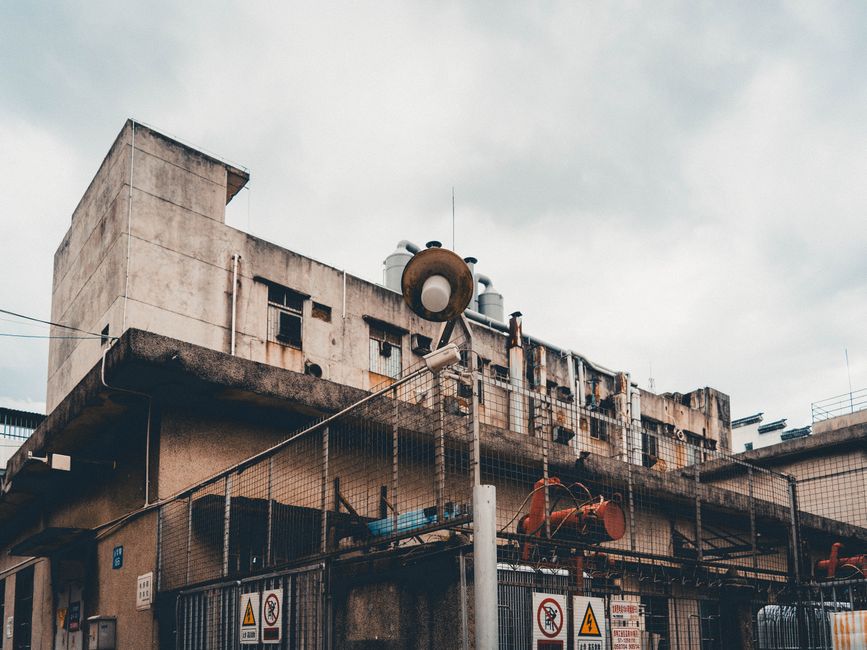
A recent blaze in Kundli shows what can go wrong
Last month an electronics plant in Kundli erupted in flames after a faulty fire‑alarm panel failed to trigger. Workers heard the first alarm but the sound did not travel through the high‑bay area, and the suppression system was out of service because the last inspection had been delayed. The shutdown lasted several days, forcing the owner to scramble for replacement equipment while regulators inspected the site for compliance breaches. The incident sent a clear message to neighboring industrial hubs, including Kaithal, that complacency with fire‑system upkeep can cripple operations overnight.
Kaithal’s industrial belt, stretching from the Rajiv Gandhi Industrial Estate to the Ganna Market corridor, hosts dozens of small‑scale manufacturers, warehousing units, and processing plants. Many of these facilities rely on a single fire‑alarm controller, a network of heat detectors, and a few portable extinguishers. When any component drifts out of service, the entire safety envelope collapses, exposing workers to danger and the business to costly penalties. The local fire‑department routinely checks for functional alarms during surprise visits, and any lapse can lead to a notice that halts production until remedial action is taken.
Owners often assume that an occasional visual check is enough, but the reality is far more technical. Modern fire‑detection panels log fault codes that only a trained technician can interpret, and extinguishers lose pressure over time, especially in the dusty environment of a textile unit. Without a structured maintenance schedule, these hidden failures remain unnoticed until a real fire tests the system. The financial hit from lost inventory, equipment damage, and lost orders can easily dwarf the modest annual fee of a proper maintenance contract.
What an AMC actually delivers for your fire system
A comprehensive Annual Maintenance Contract bundles several critical tasks into a single, predictable expense. First, a certified technician visits the site on a quarterly basis to inspect every detector, alarm sounder, and control panel, verifying that wiring is intact and firmware is up‑to‑date. The inspection also includes a visual audit of fire‑extinguishers, hose reels, and sprinkler heads, checking for corrosion, blockage, or physical damage that could impede performance when needed.
Second, the contract covers the refilling and re‑pressurising of all portable extinguishers and fire‑hose packs. In the humid climate of Kaithal, pressure loss can be swift, especially for CO₂ units used in electrical rooms. The service provider replaces the agent, tags each cylinder with a new service date, and logs the activity in a maintenance register that satisfies the relevant Indian Standard. This record becomes vital evidence during any regulatory audit.
Third, functional testing of the entire alarm network is performed annually. The technician triggers a test alarm from the control panel, walks the plant to confirm audible levels at each work‑station, and records response times. In addition, the fire‑pump is run at rated pressure to verify that water flow meets design requirements. Any deviation is noted, and corrective action is scheduled before the next inspection, ensuring the system remains ready for an emergency.
- Quarterly visual and functional inspection of detectors and panels
- Refill and re‑pressurise all extinguishers and hose reels
- Annual full‑system alarm and pump performance test
How to vet a fire‑maintenance provider in Kaithal
Start by confirming that the contractor holds certification from the fire‑safety authority and that its engineers possess the mandatory training certificates. Ask for proof of recent work in a similar industrial setting; a provider accustomed to the layout of a textile mill or a food‑processing unit will understand the unique challenges of dust, humidity, and high‑bay ceilings. Verify that the company uses genuine, BIS‑marked components for any replacement work, because counterfeit parts can fail silently during a fire.
Next, request a detailed scope of work before signing any agreement. The document should list the frequency of each activity, the specific equipment covered, and the response time for emergency repairs. Look for clauses that address missed visits, escalation procedures, and a clear audit trail of all service records. A transparent contract reduces the risk of hidden fees and ensures you can demonstrate compliance during inspections by the fire‑department.
Finally, evaluate the provider’s after‑service support. When a detector trips unexpectedly, you need a technician on‑call within a reasonable window, typically within a few hours for a critical area. Check whether the contractor maintains a local stock of spare parts, especially for popular brands of alarm panels and extinguishers used in Kaithal’s factories. A responsive service partner minimizes downtime and keeps production flowing smoothly.
- Check certifications and training of technicians
- Demand a clear, itemised scope of work
- Confirm local spare‑part inventory and rapid response times
The hidden cost of skipping an AMC
When a fire‑alarm fails during an actual fire, the immediate consequence is often a delayed evacuation, which can lead to injuries or worse. Beyond the human toll, the business faces production stoppage while the fire is controlled, and insurers may raise premiums or refuse claims if maintenance records are incomplete. Regulatory bodies also impose penalties for non‑compliance, which can include temporary closure of the premises until the system is brought back to code.
Even without a fire, a neglected system can trigger false alarms that disrupt operations. Imagine a heat detector in a bakery that constantly triggers due to the ovens’ temperature spikes; each false alarm forces the plant to halt, waste raw material, and frustrate workers. Repeated false alarms erode confidence in the system, leading staff to ignore genuine warnings—a dangerous cultural shift that amplifies risk when a real incident occurs.
Zed‑King Fire & Safety offers a dedicated AMC service that aligns with the needs of Kaithal’s diverse industrial base. Their team conducts the quarterly inspections, handles all refills, and maintains an up‑to‑date compliance log that can be presented to authorities at any time. By bundling these tasks, the company removes the administrative burden from owners, allowing them to focus on production while knowing their fire protection is continuously monitored.
Quick checklist before you sign an AMC
Review the provider’s licensing and ensure they are listed on the state fire‑safety portal. Verify that the contract spells out the exact frequency of inspections, the list of covered equipment, and the protocol for emergency call‑outs. Ask for a sample maintenance log to see how entries are recorded and signed off; a clear log demonstrates accountability and simplifies future audits.
Confirm that the contract includes a clause for periodic system upgrades, because technology evolves and older panels may need firmware updates or replacement to stay compatible with newer detectors. Ensure the provider will supply genuine, BIS‑marked parts for any replacements, and that they keep a local inventory to avoid long lead times. Also, ask about the training they provide to your staff on alarm response and extinguisher use; a well‑trained crew can reduce the impact of any fire event.
Finally, negotiate a review clause that allows you to assess performance after the first year. This review should cover response times, the completeness of service records, and any incidents that required unscheduled visits. A transparent review mechanism gives you leverage to adjust terms or switch providers if the service does not meet expectations.
- License verification on state fire‑safety portal
- Detailed scope with inspection frequency and equipment list
- Clause for system upgrades and genuine part supply
- Staff training component and annual performance review
Take the first step toward uninterrupted safety
Fire safety is not a one‑time purchase; it is a continuous commitment that protects assets, lives, and reputation. By securing a reliable AMC, Kaithal owners convert a reactive expense into a proactive safeguard, ensuring that alarms speak, extinguishers discharge, and pumps deliver when the unexpected happens. This approach also simplifies compliance, as the regular records generated by the contract satisfy the fire‑department’s audit requirements without extra paperwork.
The market offers many service options, but the right partner blends technical expertise with local responsiveness. Look for a firm that understands the nuances of Kaithal’s industrial zones—whether it is the high‑temperature environment of a steel‑fabrication shop or the humid conditions of a dairy processing unit. Their familiarity with regional regulations and supply chains can make the difference between a smooth maintenance cycle and a disruptive emergency.
Ready to protect your business without the guesswork? Contact Zed‑King Fire & Safety for a free site survey; their engineers will map your current fire‑protection layout, highlight gaps, and propose a tailored AMC that fits your operational rhythm. A short call can set the wheels in motion for a safer, more resilient facility.
Need help with this at your own site?
Zed-King Fire & Safety has handled fire equipment, AMC, Fire NOC and training for factories, schools, hospitals and commercial buildings across Haryana since 2012. Free site survey, honest assessment — only what your building actually needs.