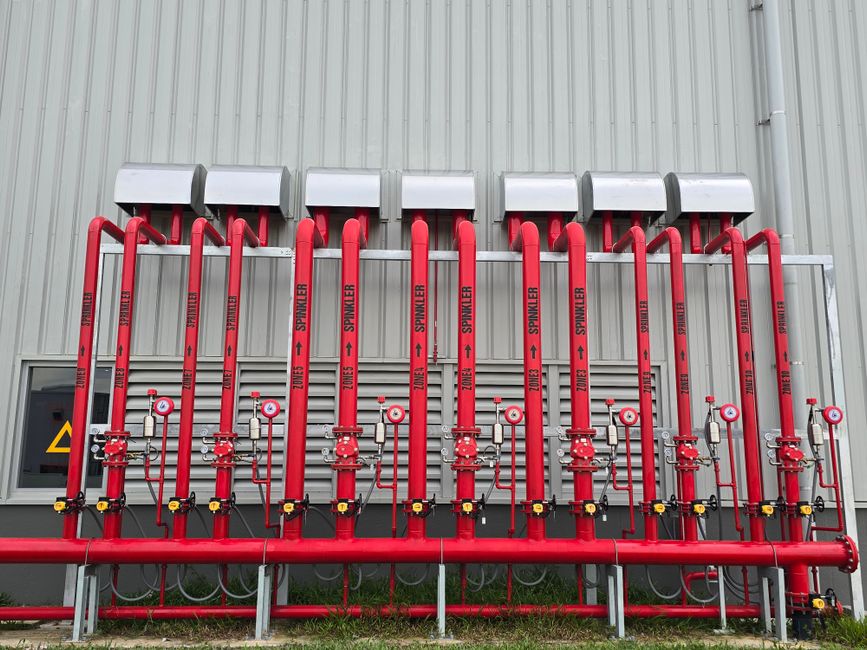
When the Kundli flames lit up the news, Sonipat factories felt the shock
On July 10, 2026 a spark in a Kundli warehouse ignited a fast‑spreading blaze that consumed stored chemicals and halted production for days. The incident sent a clear message to neighbouring industrial estates in Sonipat: a missing or outdated alarm system can turn a small flare into a catastrophic loss. Imagine a metal‑fabrication unit in the Rajiv Gandhi Industrial Area with noisy machinery, stacked pallets and limited egress – a fire alarm that never sounds is as dangerous as no fire extinguisher at all. The aftermath highlighted not just the human toll but also the regulatory scrutiny that follows such events.
Local authorities in Haryana tightened inspections after the Kundli fire, directing every factory to prove that an operational fire detection network is in place before a new NOC is granted. Inspectors now walk the floor, listening for audible alerts, checking panel integrity and verifying that every high‑risk zone – from welding bays to storage silos – has a detector. For many Sonipat owners, the first reaction is disbelief: “We thought the fire department would arrive in time.” The reality is that early warning saves lives, reduces smoke damage and gives responders a fighting chance.
The financial impact of a delayed alarm is stark. Even a short ten‑minute lag can allow a fire to breach fire‑walls, melt structural steel and compromise valuable inventory. For a medium‑size garment plant, the loss of a single production shift can set back deliveries and erode client confidence. More importantly, the legal exposure grows; regulators can suspend operations until compliance is demonstrated, and insurers may reject claims if alarms were absent. The Kundli episode therefore serves as a cautionary benchmark for every Sonipat entrepreneur.
Legal landscape for fire alarm systems in Haryana factories
The relevant Indian Standard governing fire alarm and detection systems requires that every industrial building be equipped with a network capable of detecting smoke, heat or flame and transmitting a clear audible and visual signal. In Haryana, the fire department mandates a site‑specific fire safety plan that lists detector locations, wiring routes and power backup arrangements. The plan must be submitted with the fire NOC application, and the department conducts a walk‑through before issuing the clearance. Non‑compliance can lead to a stop‑work notice until corrective measures are installed and certified.
For Sonipat’s mixed‑use industrial zones, the rulebook distinguishes between high‑hazard processes – such as chemical handling in the Kundli corridor – and lower‑risk activities like packaging. High‑hazard areas demand automatic sprinkler linkage and a higher density of detectors, while general production floors may rely on addressable smoke panels. The fire department also requires that the alarm be audible at least 85 decibels throughout the premises, ensuring that even workers with hearing protection can hear the warning. Visual strobes are mandatory near noisy machinery where sound may be masked.
A critical but often overlooked requirement is the provision of an independent power source. The alarm system must remain functional for a minimum period after a mains failure, typically achieved through an uninterruptible power supply (UPS) or battery bank. The UPS should be sized to keep the control panel, detectors and sounders alive until a generator can take over or the fire is extinguished. Documentation of the backup test results must be kept on‑site for inspection at any time.
Step‑by‑step guide to installing a compliant fire alarm network
Begin with a detailed site survey that maps every production line, storage rack, utility shaft and exit route. The survey identifies zones where smoke moves quickly, such as near furnace vents or oil‑filled drums, and flags areas that need heat detectors instead of smoke sensors. Once the layout is clear, a design engineer drafts a wiring diagram that shows the addressable panel, detector loops, sounder locations and the UPS placement. This design must be reviewed by the local fire officer before any hardware is ordered.
With the design approved, procure detectors that carry the BIS mark and are suitable for the specific hazard – optical smoke detectors for dusty environments, ionisation types for clean air, and heat sensors for high‑temperature zones. Install the detectors at the recommended height, usually on the ceiling or high on walls, avoiding dead‑ends where airflow stagnates. Run conduit or armored cable from each detector to the nearest junction box, then back to the central fire alarm control panel, ensuring all connections are tight and labelled for future maintenance.
After the physical installation, power up the system using the dedicated UPS and perform a functional test. Verify that each detector triggers the correct zone indicator on the panel, that the audible siren sounds at the required level in all work areas, and that visual strobes flash in high‑noise zones. Document the test results, sign off the commissioning report and retain a copy for the fire NOC file. Finally, train the plant supervisor and floor workers on the alarm signals, evacuation routes and the procedure for resetting the panel after an incident.
Practical checklist for Sonipat factory owners
A quick audit can reveal gaps before the fire department arrives. Walk the perimeter and note any missing detectors, especially near loading docks where trucks unload combustible goods. Check that every alarm sounder is mounted away from direct airflow that could muffle the tone. Confirm that the UPS battery bank shows a healthy charge indicator and that the panel displays a recent test log. If any of these items are absent, schedule a corrective visit within the next fortnight to avoid regulatory penalties.
Next, verify that all wiring follows the approved diagram and that conduit bends are gentle to prevent strain on the cables. Look for signs of corrosion on junction boxes, especially in humid sections of the plant near water‑cooling towers. Ensure that the fire alarm panel is locked but accessible to authorized personnel, and that a key‑card log is maintained. Finally, review the maintenance contract – a yearly service visit should include detector cleaning, battery replacement and a full system test.
When the checklist reveals multiple deficiencies, consider engaging a specialist who can streamline the retrofit. Zed‑King Fire & Safety offers a rapid site‑survey and installation service tailored for Sonipat’s industrial estates, delivering a compliant system that passes fire‑department inspection within days.
- Verify detector coverage for every high‑risk zone
- Test audible level in all work areas
- Check UPS battery health and backup duration
- Confirm panel logs show recent functional tests
Cost drivers and budgeting tips for fire alarm projects
The overall expense of a fire alarm system hinges on three main factors: the number of detection points, the complexity of wiring, and the level of redundancy required. A small workshop with a single production line may need a handful of smoke detectors and a basic addressable panel, while a large textile mill with multiple warehouses will require dozens of devices, segmented loops and a more robust UPS. The choice between a conventional system and an addressable one also influences price, as the latter offers zone diagnostics but carries a higher upfront cost.
Labor charges vary across Sonipat’s industrial corridors. In the Rajiv Gandhi Estate, electricians familiar with fire‑alarm standards command higher rates than in peripheral zones, but the quality of work tends to be more reliable. Selecting locally sourced BIS‑marked equipment can reduce procurement delays and avoid the premium charged for imported brands. Additionally, bundling the alarm installation with other safety upgrades – such as emergency lighting or sprinkler retrofits – often yields a discount from the contractor.
While budgeting, allocate a contingency for periodic maintenance and battery replacement, which are mandatory to keep the system operational. A well‑maintained alarm network not only satisfies the fire department but also lowers insurance premiums indirectly, as insurers view compliant factories as lower risk. Planning the expenditure as part of the annual safety budget ensures that the project does not stall due to cash‑flow constraints.
From installation to ongoing compliance – next steps for Sonipat owners
Once the alarm system is live, the responsibility shifts to regular testing and record‑keeping. Schedule a quarterly drill where the alarm is triggered deliberately, and observe how quickly staff evacuate and how the control panel logs the event. Update the fire safety plan after each drill, noting any bottlenecks in egress routes or malfunctioning devices. The fire department may request these drill reports during routine inspections, so keeping them organized saves time and demonstrates a proactive safety culture.
Maintain a service contract with a qualified provider who can perform annual inspections, replace ageing batteries and recalibrate detectors as needed. The contract should specify response times for emergency repairs, because a faulty alarm during an actual fire can nullify all previous investments. Keep a spare set of critical components – such as a backup siren and a spare UPS battery – on site to minimize downtime if a part fails unexpectedly.
Finally, take the first concrete step toward compliance: contact Zed‑King Fire & Safety for a free site survey. Their engineers will assess your factory’s specific hazards, propose a compliant alarm layout and guide you through the fire NOC submission. A quick call today can turn a potential regulatory headache into a smooth, safety‑first upgrade.
Need help with this at your own site?
Zed-King Fire & Safety has handled fire equipment, AMC, Fire NOC and training for factories, schools, hospitals and commercial buildings across Haryana since 2012. Free site survey, honest assessment — only what your building actually needs.