Why early warning decides how a factory fire ends
Imagine a small spark in the welding bay of a factory in Fatehabad. With no early warning, it becomes a full-scale fire before anyone hears a siren. With a working detection system, the same spark sets off an alarm within moments, and people have time to respond and get out. A reliable detection system buys the minutes that matter for evacuation and response.
Factories in the industrial belt around Fatehabad often house heavy machinery, oil-filled transformers, and large stacks of raw material. A single electrical fault in a motor control centre can ignite nearby pallets of grain or chemicals. In many cases, workers are accustomed to the hum of equipment and may not notice the first hint of smoke. A properly designed fire alarm system bridges that gap, alerting staff instantly and triggering automatic suppression where required. Even a modest detection network can change the outcome dramatically.
A fire alarm is also part of what the fire department checks before a Fire NOC is issued or renewed: detection in the right places, alarms that can be heard everywhere and, where noise is high, visual signals too. Failure to comply can hold up the NOC, and more importantly it leaves workers exposed. The cost of fitting a system is far less than the loss of a production line, not to mention the human cost. This is why Fatehabad manufacturers should treat fire alarm installation as a priority, not a future project.
Core Components of a Modern Fire Alarm System
A contemporary fire alarm system begins with detectors that sense heat, smoke, or flame. In a factory setting, you typically deploy a mix of photoelectric smoke sensors in dusty zones and heat sensors near furnaces. Each detector feeds a central control panel that evaluates the signal, filters out false alarms, and decides whether to sound an alarm. The panel also logs the event, timestamps it, and can communicate with a remote monitoring centre via GSM or internet, ensuring help arrives even if staff are overwhelmed.
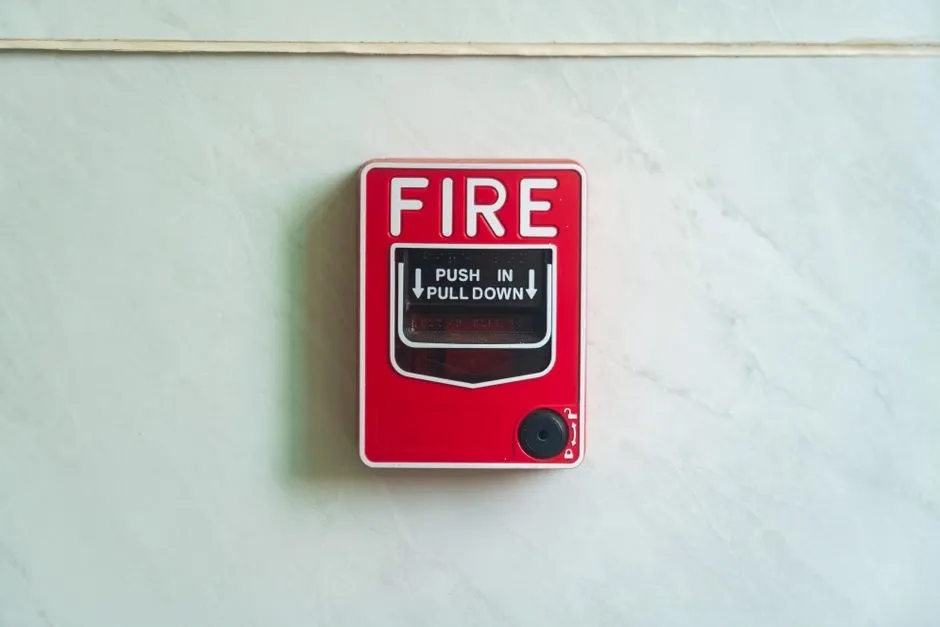
The audible side of the system uses horn-type alarms that cut through the clatter of machinery. In Fatehabad’s noisy textile units, strobes are mounted at eye level on every exit and near critical equipment, providing a visual cue for hearing-impaired workers. Manual call points are installed at regular intervals, allowing any employee to raise an alarm if they spot fire early. Wiring is routed through conduit that complies with the local fire-resistance code, protecting the signal path from heat and mechanical damage.
Power redundancy is a non-negotiable feature. The system draws from the main supply but switches instantly to a battery backup that can sustain operation for a sufficient period during an emergency. This ensures that a power cut during a fire does not silence the alarms. Additionally, many factories integrate the alarm with their existing PLC-controlled processes, so that a fire signal can automatically shut down high-risk equipment, reducing fuel for the blaze while the alarm sounds.
- Smoke detectors – photoelectric for dusty areas, ionisation for fast-flaming fires
- Heat sensors – rate-of-rise and fixed temperature types near ovens
- Control panel – central processing, event logging, remote monitoring
- Audible/visual alarms – horn units and LED strobes at exits and workstations
- Manual call points – spaced at appropriate intervals in production halls
- Power backup – sealed lead-acid batteries for a sufficient duration
Navigating Local Compliance in Fatehabad
For the Fire NOC, the alarm system is shown on the fire-fighting layout drawings: detector placement, call points, sounders and evacuation routes for each floor. Inspectors walk the premises, confirm the alarm is audible at the farthest point and that visual signals can be seen where they are needed. They also check that the control panel shows a clear status and that the battery backup works.
The paperwork includes the layout drawing and the test and maintenance records of the system. For factories handling flammable liquids, expect closer questions about the high-risk zones: why a detector type was chosen and whether extra suppression is needed. The system is then demonstrated working during the inspection.
A fire-safety consultancy can streamline this process. Their team conducts a detailed site survey, prepares the required fire safety plan, and assists with the NOC filing. By handling the paperwork and technical verification, they help reduce waiting time for approval and ensure that the installed system meets every local requirement without surprise re-inspections.
Choosing the Right Equipment for Your Facility
Selecting detectors is not a one-size-fits-all decision. In a grain-processing plant near the Fatehabad market area, low-level dust can cause false alarms on ionisation sensors, so photoelectric units are preferred. Conversely, a metal-casting workshop with high temperatures benefits from heat detectors that trigger before flames appear. The choice of alarm sound also matters; a low-frequency horn penetrates steel-structured halls better than a high-pitched tone, which can be drowned out by machine noise.
Wiring methods must reflect the factory’s layout. Trunk-and-branch cabling is common in large sheds, while conduit-protected runs are mandatory near high-heat equipment to prevent cable melt. For outdoor storage yards, wireless detector modules with solar-charged batteries can avoid trenching, but they must be paired with a robust central panel that can handle both wired and wireless inputs. Integration with existing SCADA systems ensures that a fire alarm can automatically halt production lines, reducing the fuel for a fire.
Suppliers in Haryana now offer panels with built-in diagnostic screens that flash fault codes, making routine maintenance quicker. When you purchase, verify that the devices carry the national quality mark and that the manufacturer provides a local service network. This reduces downtime if a component fails and guarantees that spare parts are readily available, a critical factor for factories that cannot afford prolonged shutdowns.
- Photoelectric smoke detectors for dusty zones
- Heat detectors for high-temperature processes
- Low-frequency horn alarms for noisy environments
- Conduit-protected wiring near furnaces
- Wireless modules for outdoor storage
Installation Timeline and Immediate Actions
A typical installation proceeds in three phases: design, installation, and commissioning. The design phase, lasting a short period, involves drawing up detector layouts and routing diagrams based on the risk assessment. Once approved by the fire department, electricians lay the conduit, mount detectors, and connect them to the control panel. In most Fatehabad factories, the physical work can be completed within a reasonable timeframe, provided material deliveries are on schedule.
Commissioning is the final, decisive step. Technicians power up the system, simulate fire conditions at each detector, and record response times. Audibility tests are performed with appropriate equipment at the furthest workstation, and visual strobes are checked for clear visibility. The fire officer then conducts a live alarm test; only after a successful demonstration is the NOC signed. This process also generates a maintenance schedule that the factory must follow to keep the system active.
To act now, factory managers should contact a qualified fire-safety consultant for a free site survey. A quick assessment will pinpoint gaps, recommend detector types, and outline the paperwork needed for compliance. There is no better time to secure your workforce and assets with a modern fire alarm and detection system.
Maintaining the System and Preparing for the Unexpected
Regular maintenance is the backbone of a reliable fire alarm system. Quarterly checks include cleaning detector lenses, testing battery backup, and verifying that the control panel displays no fault codes. Annual servicing by a qualified technician involves calibrating sensors, replacing expired batteries, and updating software if the panel supports remote diagnostics. Keeping detailed logs of each test simplifies future inspections and demonstrates due diligence to authorities.
Training workers on alarm response is equally vital. Conduct mock evacuation drills twice a year, ensuring that every employee knows the location of the nearest manual call point and the designated assembly area. Posters in Hindi and Punjabi should illustrate the steps: raise the alarm, stop equipment, evacuate calmly, and report to the floor warden. When workers understand the procedure, panic is reduced and the chances of injuries drop dramatically.
If you need assistance with ongoing service contracts or a refresher training session, a fire-safety consultancy offers an annual maintenance package that includes on-site testing, battery replacement, and staff drills. A simple phone call can schedule a free site inspection, giving you a clear roadmap to keep your alarm system operational and your factory compliant.
Need help with this at your own site?
Zed-King Institute of Fire And Safety has handled fire equipment, AMC, Fire NOC and training for factories, schools, hospitals and commercial buildings across Haryana since 2012. Free site survey, honest assessment — only what your building actually needs.