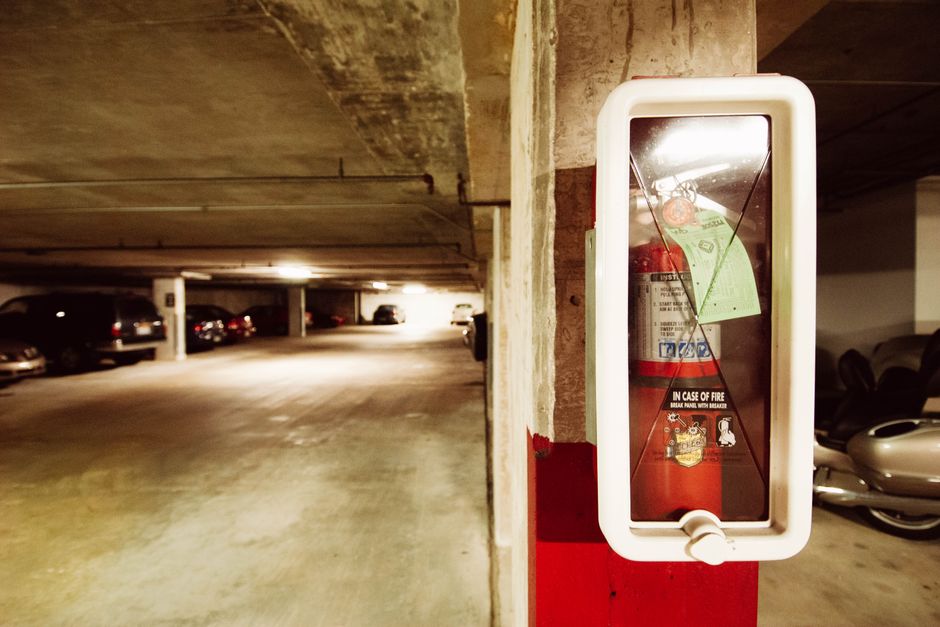
A blaze in neighboring Greater Noida rattles Faridabad owners
A recent large manufacturing fire in a nearby industrial area highlighted that several portable extinguishers had failed to discharge. The incident sparked an urgent conversation across the industrial belt that stretches from the GIDC in Sector 15 to the steel workshops along the Yamuna. Facility managers in Faridabad, many of whom run textile mills or auto‑parts plants, suddenly faced a stark question: when was the last time their own extinguishers were refilled? The answer often lies hidden in paperwork or a forgotten tag on the cylinder.
The ripple effect is tangible. Suppliers in Phase 3 have reported a surge in inquiries about refill dates, while insurance agents are reminding clients that an expired charge can affect coverage. Workers recall drills where the alarm sounded, but the extinguisher hissed weakly, a symptom of a depleted propellant. In a city where the industrial landscape mixes high‑rise warehouses with low‑budget workshops, the margin for error is razor thin.
Understanding the urgency starts with recognizing that a fire extinguisher is a single‑use device in the moment of a flare‑up. If the pressure gauge indicates insufficient pressure, the agent inside may not expel the agent at the required flow rate, rendering the equipment ineffective. This type of scenario can recur if refill schedules are ignored.
Legal refill intervals and what the standards actually demand
Indian fire safety law does not prescribe a single uniform period; instead, the relevant Indian Standard advises a periodic recharge based on the type of extinguisher and its last service date. In practice, most industrial operators adopt a regular check for dry‑powder units and an annual recharge for CO₂ cylinders, aligning with the guidance issued to factories across Haryana.
Compliance officers on the ground look for three visual cues on the cylinder tag: the date of the last refill, the next due date, and the signature of the certified refiller. If any of these fields are missing or blurred, the officer will flag the unit for immediate attention. The law also requires a maintenance log that records each refill, making it easier to prove compliance during a surprise inspection.
Failure to adhere to these intervals can lead to a notice of violation, and the fire department may order the removal of the non‑compliant equipment until it is serviced. For a plant operating multiple shifts, a single non‑functional extinguisher can halt production, cause downtime, and increase the risk of a larger fire spreading unchecked.
- Check cylinder tags for last refill date, next due date, and certified signature.
- Maintain a chronological log of every refill and inspection.
- Schedule dry‑powder refills at least twice a year in high‑risk zones.
How to spot an extinguisher that has lost its charge before a formal audit
The pressure gauge is the most immediate indicator. A needle that rests low or wavers when the cylinder is tilted suggests a loss of propellant. In many Faridabad workshops, the gauge is covered by a dust cap; removing it during a routine walk‑around can quickly reveal the status without special tools.
Another sign appears during a discharge test. If the extinguisher sputters, produces a weak spray, or the nozzle fails to emit a clear plume, the agent inside is likely depleted. Conducting a short test on a spare unit each month builds confidence that the operational extinguishers will perform when needed. Document the results alongside the tag for future reference.
A fire‑safety service provider can offer a dedicated refill verification service that combines gauge reading, discharge testing, and tag verification in a single visit, ensuring that all units meet the statutory requirements before the next inspection.
Step‑by‑step guide to scheduling a fast, compliant refill in Faridabad
Start by compiling a master list of all extinguishers across the facility, noting location, type, and tag expiry. Use a simple spreadsheet or a mobile app to sort them into priority groups: high‑risk areas such as chemical storage, moderate‑risk zones like assembly lines, and low‑risk spaces such as administrative offices. This classification helps the refiller allocate time and resources efficiently.
Contact a certified refill provider well before the earliest due date. Provide the list, ask for a written quotation, and confirm that the technician carries the appropriate certifications recognized by the fire department. Agree on a time window that does not clash with production peaks, preferably during a scheduled shutdown or a shift change to avoid disruption.
On the day of service, ensure that a responsible supervisor is present to grant access, verify the technician’s credentials, and sign off on the refill log once the cylinders are back on the wall. The technician should also affix a fresh tag and perform a quick discharge test in the presence of the supervisor, closing the loop on compliance.
- Create a detailed inventory of extinguishers with locations and expiry dates.
- Book a certified refiller well before the first due date.
- Supervise the refill, verify new tags, and record the service in the log.
Common pitfalls that delay refill work in Faridabad’s industrial parks
One recurring issue is the assumption that a visual inspection is enough; many plant managers glance at the tag and move on, missing subtle gauge drift or a cracked hose. Without a thorough check, the refiller may arrive only to discover that a cylinder is beyond service, extending the downtime.
Another obstacle is the lack of a pre‑approved vendor list. When a refill is needed urgently, managers sometimes scramble for a random contractor, only to find the technician lacks the required certification, forcing a reschedule. Maintaining a short roster of trusted providers reduces this risk and speeds up the turnaround.
Finally, poor documentation creates confusion during audits. If refill logs are scattered across different departments or stored in a forgotten drawer, the fire inspector will flag the deficiency. Centralising records—whether in a cloud‑based folder or a hard‑copy binder near the main office—keeps the information readily accessible.
Turning compliance into a routine that protects your bottom line
Embedding extinguisher refill into the regular maintenance calendar eliminates the surprise element that many Faridabad factories experience after a major fire elsewhere. When refilling becomes a scheduled activity, the impact of a missed refill is outweighed by the continuity of operations and the avoidance of regulatory penalties.
Leverage the same system that tracks machine servicing to remind you of upcoming refill dates. Automated alerts, either via SMS or email, give the maintenance team a heads‑up, allowing them to plan the shutdown window well in advance. This proactive stance also demonstrates to insurers and auditors that the business takes fire safety seriously.
A practical next step is to arrange a free site survey with a reputable fire‑safety provider; the team will map your extinguishers, flag overdue units, and propose a refill timetable that fits your production schedule.
Need help with this at your own site?
Zed-King Fire & Safety has handled fire equipment, AMC, Fire NOC and training for factories, schools, hospitals and commercial buildings across Haryana since 2012. Free site survey, honest assessment — only what your building actually needs.