What the Kundli blaze revealed about untrained staff
When the electronics plant in Kundli erupted on July 10, 2026, the first minutes were chaotic. Workers stumbled over tangled cables, the alarm sounded but few knew the evacuation route, and the supervisor hesitated to activate the manual fire‑extinguishing system. The fire spread through the stacked pallets of components, forcing the local fire brigade to fight a blaze that could have been contained with a quick response. The incident left several injuries and halted production for weeks, illustrating how a lack of basic fire‑safety knowledge can turn a small spark into a costly disaster for any industrial unit.
In the aftermath, investigators highlighted three glaring gaps: no documented fire‑training program, no regular mock drill, and a missing record of who is authorized to operate portable extinguishers. These gaps are not unique to Kundli; many Rohtak factories share similar staffing patterns—shift workers, seasonal hires, and contractors who receive only a verbal briefing. When a fire alarm sounds, confusion spreads faster than smoke if people have never practiced what to do, and the resulting delay often determines whether lives are saved.
For a business owner in Rohtak, the lesson is stark: fire safety is not a paper exercise. It is a lived practice that must be rehearsed, documented, and refreshed. The cost of a half‑day shutdown, the loss of inventory, and the human toll far outweigh the modest investment in a structured training regimen. This article walks you through a step‑by‑step plan to embed certified training and realistic drills into your daily operations, turning the Kundli tragedy into a preventive blueprint.
Legal backdrop – what Haryana regulations expect from you
The Haryana State Fire Service outlines a set of obligations for industrial and commercial premises: a fire‑NOC must be secured, fire‑fighting equipment kept serviceable, and a qualified fire‑warden appointed. Beyond paperwork, the regulations explicitly demand that all personnel receive fire‑safety instruction at least once a year and that mock evacuations be conducted regularly. While the exact frequency can vary with building size and occupancy, a typical Rohtak manufacturing unit is expected to hold a drill every quarter and to keep signed attendance sheets as proof.
Compliance officers often check for three things during an inspection: training records, drill logs, and a visible evacuation diagram. If any of these are missing, the inspector may issue a notice that stalls production until the gaps are remedied. In practice, many owners treat the paperwork as a formality, but the inspector’s checklist is designed to verify that workers can act without hesitation when a fire alarm sounds.
Understanding the regulatory expectations helps you align your internal safety calendar with the legal calendar. By mapping the required documentation to a simple spreadsheet, you can schedule training sessions, assign drill dates, and ensure that every shift group is covered before the next inspection cycle. This proactive approach eliminates last‑minute scrambling and builds confidence among staff and auditors alike.
Designing a certified training program that fits Rohtak factories
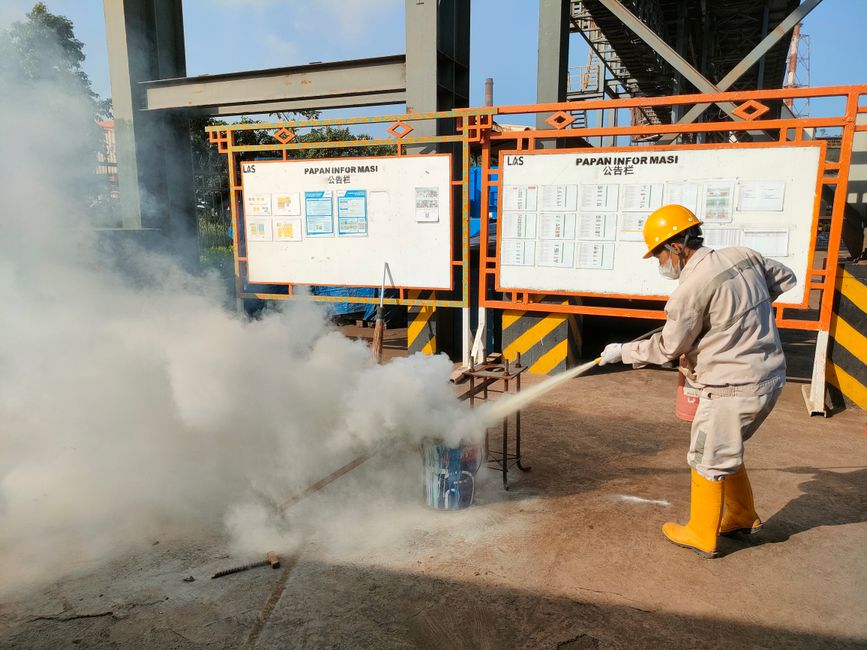
Start by selecting a training provider accredited by the relevant Indian authority. The trainer should bring a portable fire‑extinguisher, a demo alarm panel, and a set of mock PPE such as helmets and fire‑resistant gloves. The curriculum is divided into three modules: basic fire theory, equipment handling, and evacuation procedures. Each module lasts about an hour, allowing shift workers to attend without halting production. Practical sessions involve a live demonstration of a CO2 extinguisher on a controlled fire source, followed by hands‑on practice where each participant extinguishes a small flame.
Customize the content to reflect the specific hazards of your site. For an electronics assembly line, emphasize the risks of electrical arcs, static discharge, and the safe shutdown of power supplies. For a textile warehouse, focus on combustible lint, proper storage heights, and the use of dry chemical extinguishers. By tying theory to the actual layout—showing the nearest hydrant, the location of fire‑blanket stations, and the designated assembly point—you make the training memorable and immediately applicable.
Zed‑King Fire & Safety offers a turnkey on‑site training service that brings certified instructors, all required equipment, and a post‑training audit. After the session, they provide a signed attendance register and a checklist of competencies verified for each worker. This documentation satisfies the Haryana fire‑safety audit and gives you a clear record of who can operate which extinguisher type, reducing the risk of unqualified personnel handling equipment during an emergency.
- Identify hazards specific to your operation
- Choose an accredited trainer with portable demo kits
- Schedule three 1‑hour modules per shift
Crafting realistic mock drills for Rohtak’s industrial zones
A mock drill should mirror the most likely fire scenario for your facility. In the industrial belt of Rohtak, many factories store bulk raw material in open‑top containers; a common ignition source is an overheated motor. Design a drill where the alarm sounds in the control room, the motor trips, and a small simulated flame is ignited on a safe fuel pad. Workers then follow the pre‑planned route to the nearest assembly point, while the appointed fire‑warden checks that all personnel are accounted for using a handheld tally device.
Vary the drill parameters each quarter to keep staff alert. Change the alarm tone, shift the assembly point to a different side of the building, or introduce a “blocked exit” scenario where one egress is temporarily unavailable. These variations test the crew’s adaptability and ensure that the evacuation plan does not rely on a single, static path. After each drill, conduct a de‑briefing session where participants discuss what worked and what caused hesitation.
Document the drill in a simple logbook: date, scenario description, participants, duration, and observations. The logbook becomes part of your compliance portfolio and serves as a reference for continuous improvement. Over time, you will notice a reduction in evacuation time and a higher confidence level among workers, translating into a safer workplace and smoother production flow.
- Use a safe fuel pad for simulated fire
- Rotate alarm tones and assembly points each drill
- Record observations in a drill logbook
Integrating training outcomes with daily operations
After each training session, update your master safety register with the names of employees who have completed the course and the specific equipment they are qualified to use. This register should be accessible to shift supervisors and the fire‑warden, who can quickly verify competence before assigning critical tasks such as operating a fire pump or handling a pressurized extinguisher. Linking training records to daily task assignments ensures that the right person is always in the right role during an emergency.
Incorporate short refresher moments into routine meetings. A five‑minute “fire tip” at the start of a weekly toolbox talk reinforces key actions, such as the “pull, aim, squeeze, sweep” technique for extinguishers. Visual cues—like laminated step‑by‑step posters near equipment—remind workers of the correct procedure without needing a full training session each time. These micro‑learning moments keep safety top of mind and reduce the likelihood of procedural drift.
Finally, schedule an annual review with your fire‑safety consultant to assess whether the training content still matches evolving plant layouts, new machinery, or changes in workforce composition. The consultant can recommend additional modules—like confined‑space rescue or chemical spill response—if your operation expands. This cyclical approach turns fire safety from a one‑off event into an ongoing culture, protecting assets and people alike.
Next steps – make fire safety a living program in your Rohtak business
Begin by mapping out a calendar for the next twelve months: earmark dates for the initial certified training, schedule quarterly drills, and set aside time for the post‑drill de‑briefs. Assign a dedicated fire‑warden who will own the schedule, keep records, and liaise with external trainers. Communicate the plan to all employees during a kickoff meeting, emphasizing that participation is a legal requirement and a personal safety guarantee.
If you are unsure where to start, reach out to Zed‑King Fire & Safety for a free on‑site assessment. Their experts will walk through your premises, identify high‑risk zones, and propose a tailored training‑drill package that aligns with Haryana’s fire‑safety rules. The assessment includes a written report, a suggested drill scenario catalogue, and a timeline for certification, giving you a concrete roadmap to follow.
Take the first step today: call Zed‑King Fire & Safety at the number on their website and request the complimentary site survey. Within a week you will have a clear action plan, the paperwork needed for fire‑NOC compliance, and a schedule that puts your workers in control before the next alarm ever sounds.
Need help with this at your own site?
Zed-King Fire & Safety has handled fire equipment, AMC, Fire NOC and training for factories, schools, hospitals and commercial buildings across Haryana since 2012. Free site survey, honest assessment — only what your building actually needs.