Why older protection is no longer enough
Imagine a busy textile unit in the Sector 13 industrial belt of Panchkula. Workers are loading raw cotton on a conveyor when a short circuit sparks a blaze in a motor room. The alarm sounds, but the nearest fire hose is far away and the sprinkler heads are missing. The fire spreads before the local brigade can arrive, forcing a shutdown that disrupts production for several days. This type of scenario illustrates why factories can no longer rely on outdated protection.
For factories, the message is clear: compliance is not a paperwork exercise; it directly affects continuity of operations. When a Fire NOC is applied for or renewed, the fire department compares the submission with the hydrants and sprinklers actually present on site, and a mismatch can hold up the certificate. In practice this means the drawings, the installed system and the test records all have to agree.
Factory owners often think fire safety is a capital expense that can be deferred. Yet the financial hit from a single incident—lost orders, damaged machinery, and reputational fallout—far outweighs the modest outlay for modern systems. Insurers also look more favourably on plants that can demonstrate working hydrants and sprinklers. The bottom line for Panchkula manufacturers is that upgrading is now a business-critical decision rather than an optional upgrade.
What the rules expect for hydrants and sprinklers
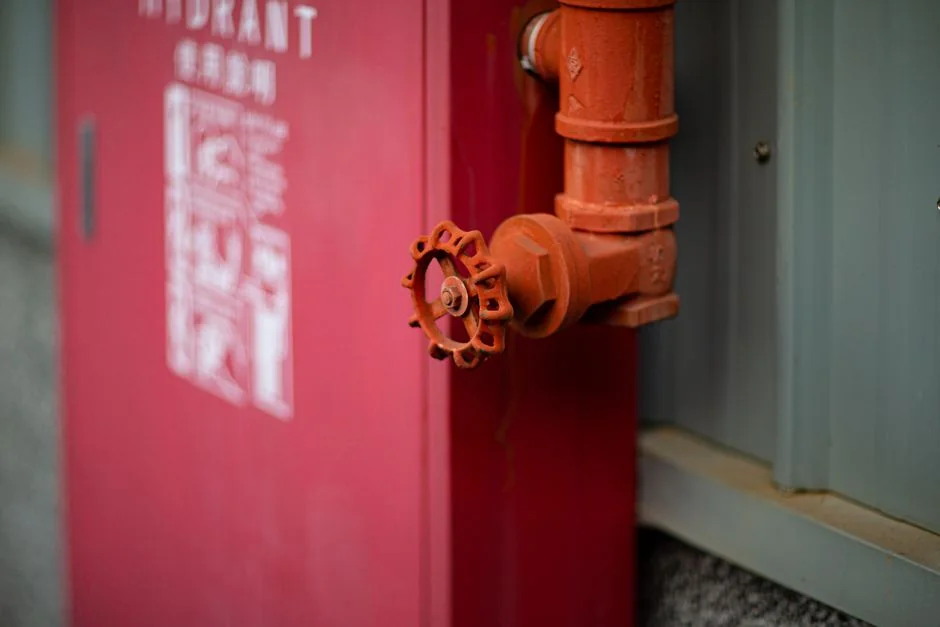
Whether a factory needs a hydrant system, sprinklers or both depends on its occupancy, covered area, height and what is stored inside. These requirements come from the National Building Code of India and the standards it refers to, and the fire department applies them when it examines a Fire NOC application. Hydrant points have to be placed so that hoses can reach every part of the building, and fire tenders need unobstructed access, which matters in plants where the only approach is a narrow service lane lined with loading bays.
Sprinklers are usually expected in higher-risk areas such as storage with a heavy fire load. Heads are spaced so that their spray overlaps, the water supply has to be able to feed them for long enough to control a fire, and the system is normally connected to the fire alarm panel so that an operating sprinkler raises the alarm.
Beyond the hardware, the Fire NOC file has to show how the system was designed and tested. Expect to be asked for layout drawings, pump details and test records, and for a maintenance arrangement. A standby pump that does not depend on mains power is part of a proper design, because a power cut should never stop the water. Missing documents are a common reason for delay.
Cost-benefit view: why the upgrade pays for itself
When a factory evaluates the expense of a new hydrant network, the first line item is the pipework and valve assemblies, often supplied by manufacturers that carry the BIS mark for quality assurance. The next component is the fire pump, which must be sized to deliver the required flow at sufficient pressure. While the upfront cost appears sizeable, the return manifests in reduced downtime during inspections and the avoidance of penalties that arise from non-compliance.
Sprinkler installation adds a layer of automatic suppression that can limit fire spread to the point of extinguishment before the brigade arrives. This directly protects high-value equipment such as CNC machines and heat-treatment ovens. Insurance underwriters in Haryana have begun to factor the presence of functional sprinklers into premium calculations, rewarding compliant factories with lower rates. Over a medium-term horizon, the savings on insurance, coupled with the avoided production loss, often exceed the capital outlay.
A less obvious benefit is the boost to employee confidence. Workers who see visible fire safety measures—well-marked hydrants, clearly labeled sprinkler heads, and regular drill signage—are more likely to follow evacuation protocols, reducing the risk of injury. This improves morale and can be highlighted in client audits that assess occupational safety standards. In sum, the financial, operational, and human-resource gains create a compelling case for immediate action.
- Identify high-risk zones and map required hydrant locations
- Select BIS-certified hydrant valves and fire pump capacity
- Choose sprinkler heads with quick-response technology for dust-prone areas
Step-by-step checklist for rapid implementation
Start with a site audit that records existing water mains, pipe diameters, and any legacy fire equipment. The audit should also note obstacles such as structural columns or overhead cranes that could block hydrant access. Once the audit is complete, create a layout drawing that marks the proposed hydrant points and sprinkler zones, ensuring each point complies with the distance guidelines set by the local fire authority.
Next, engage a qualified fire safety engineering firm to perform hydraulic calculations and to design the pump-and-valve network. The design must be reviewed by the municipal fire officer before any procurement begins. After approval, source BIS-marked hydrant bodies, double-check valve seals, and select a pump with a reliable backup power source. Installation should be carried out by technicians trained in welding and pipe threading to avoid leaks that could compromise the system.
A fire-safety service provider can streamline this phase by providing a comprehensive site survey, preparing the hydraulic report, and handling the paperwork for the fire NOC. Their engineers, familiar with Panchkula’s municipal requirements, can coordinate directly with the fire department, reducing the back-and-forth that typically slows projects. This service ensures that the design is not only code-compliant but also optimized for the factory’s specific layout.
- Obtain municipal clearance for pipe trenching in the plant yard
- Install fire pump with automatic start on pressure drop
- Test each sprinkler head for flow and response time
Maintaining the system to keep compliance alive
A newly installed system is only as good as its maintenance. Hydrant valves should be checked regularly for corrosion, leakage and easy operation, and any obstruction such as stored pallets or oil drums cleared at once. Record each check in a maintenance register kept in the safety office.
Sprinkler heads need periodic inspection for dust, paint and damage, and the control valve and alarm connection should be tested by a qualified technician. The fire pumps should be run regularly, including the standby pump, to confirm that they start on demand.
An annual service contract with a trusted provider can handle these tasks, ensuring that the system stays in working order and that documentation is always ready for surprise audits. By keeping the paperwork and the hardware in sync, factories avoid the costly scenario of a halted NOC renewal.
Putting the plan into motion – your next move
Now that the regulatory backdrop, financial upside, and implementation roadmap are clear, the decision point rests with the factory management team. Align the upgrade project with the next scheduled production shutdown to minimise disruption. Assign a project lead who can coordinate between the engineering team, the installation crew, and the fire department’s inspection officer. Ensure that the budget includes a contingency for unexpected site conditions, such as old underground utilities that may need relocation.
Communicate the upgrade plan to all shift supervisors and conduct a short briefing on new hydrant locations and sprinkler operation. This creates ownership at the shop-floor level and prepares the workforce for the upcoming drill that will test the new system. Document every step in a project log; this becomes valuable evidence during the fire NOC renewal and can be shown to insurers as proof of proactive risk management.
To get the ball rolling, contact a reputable fire-safety service provider for a free site survey. Their experts will walk the factory floor, note the exact points where hydrants and sprinklers should be placed, and hand over a ready-to-file compliance package. A quick call can turn this strategic need into a tangible action plan that safeguards both people and profit.
Need help with this at your own site?
Zed-King Institute of Fire And Safety has handled fire equipment, AMC, Fire NOC and training for factories, schools, hospitals and commercial buildings across Haryana since 2012. Free site survey, honest assessment — only what your building actually needs.