Why Panchkula factories need drill records, not just equipment
Fire departments look at people as well as equipment. For a factory in Panchkula's Industrial Area, that means being able to show that staff have been trained and that evacuation drills are actually held. Imagine a steel-fabrication unit where workers have never practised a coordinated evacuation; a single alarm could quickly become chaotic. A documented drill on every shift is the simplest proof that the unit is prepared, and it helps keep Fire NOC processing on track.
For many factory managers the word drill evokes a yearly fire-extinguisher check, not a full rehearsal involving production lines, forklift routes, and canteen exits. What matters is evidence that staff can move from the shop floor to a safe assembly point in a realistic time, while supervisors record what went wrong. This shift from paperwork to performance catches businesses that have relied on ad-hoc briefings.
The practical impact is clear. Insurers look more favourably on documented drill programmes, and drill records support a Fire NOC application. In Panchkula's industrial clusters, a delayed NOC can halt production, affecting profitability. So the first step for any factory owner is to treat fire-drill planning as an operational priority, not a regulatory afterthought.
Mapping the Training Landscape: From Theory to Floor-Level Practice
A practical fire-training programme begins with a gap analysis of existing knowledge. Walk the plant with a senior supervisor and note where fire-extinguishers sit, how clear the egress signs are, and which workstations lack clear pathways. Most Panchkula factories have narrow aisles lined with raw-material pallets; these become choke points if not accounted for in the drill route. Record each obstacle and rank it by the likelihood of hindering evacuation during a real fire, then prioritize corrective actions before the first drill.
Next, select a training format that matches the workforce’s literacy level and shift patterns. In many local factories, a mix of Hindi, Punjabi, and basic English works best. Short classroom sessions followed by a hands-on walkthrough keep attention high. Use visual cue cards that illustrate the “raise-alert-pull-evacuate” sequence, and rehearse the alarm sound using the actual horn installed in the plant. Repetition is key; schedule at least two briefings per shift during the initial rollout month.
Finally, embed the training into the plant’s standard operating procedures. Assign a fire-warden for each production line and have them sign a responsibility sheet after each drill. Incorporate drill performance into the monthly safety KPI dashboard, so senior management can see trends. When the data shows improvement—such as smoother evacuation flow—it reinforces the value of the programme and encourages continued investment.
Designing a Drill Calendar That Fits Production Cycles
Factories in Panchkula often run multiple shifts, with peak output during the night shift for certain processes. Planning drills during low-production windows prevents costly stoppages while still testing real-world conditions. Look at the weekly production schedule and earmark a half-day on a Tuesday morning when the packaging line runs at reduced speed. Communicate the drill date well in advance through shift-lead boards and digital notice boards, so supervisors can adjust work orders without compromising delivery commitments.
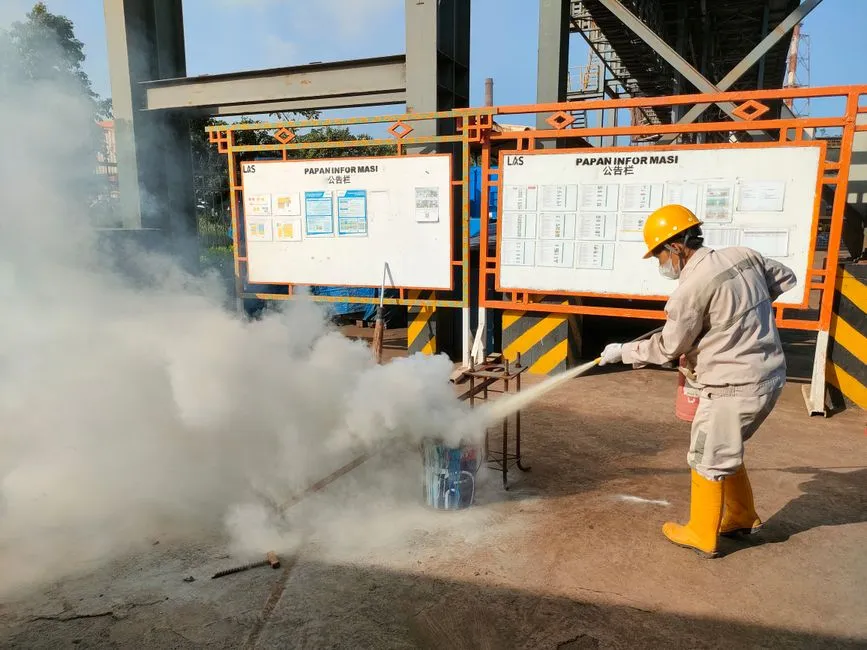
When the calendar is set, decide on the drill type for each session. The first drill should be a “notification-only” exercise where the alarm sounds and staff simply walk to the assembly point, allowing you to gauge baseline evacuation flow. The second drill introduces a simulated fire source, such as a controlled smoke generator in a non-hazardous area, prompting participants to use extinguishers and follow the escape route. A third drill adds complexity by blocking a usual exit, compelling workers to use an alternate staircase—a scenario that can occur when a fire blocks primary egress.
Document every drill with a simple checklist: date, time, number of participants, route used, any deviations, and the overall evacuation duration. Store the records in both paper and digital form, as the fire-department may request a printed log during an inspection. Over time, the compiled data will show trends, highlighting which shifts need additional coaching and which routes may require structural tweaks.
Tools and Resources: Checklists, Alarms, and Training Aids
A reliable alarm system is the backbone of any drill. Verify that the plant’s horn, strobe, and voice-announcement units are all functional and audible in the furthest corner of the warehouse. Conduct a sound-check with a portable meter, and note any dead zones where workers cannot hear the alarm clearly. If you find gaps, install supplemental speakers or relocate the main horn to a more central location, ensuring the signal reaches every workstation.
Supplement the audible alert with visual cues. Large, illuminated exit signs mounted at eye level guide workers through smoky conditions. In Panchkula’s humid climate, choose signs with IP-rated enclosures to prevent moisture damage. Pair these signs with floor-level tape that marks the primary evacuation path, especially in areas where pallets create uneven terrain. Simple colour-coding—red for primary exits, yellow for alternate routes—helps staff identify the correct way out under stress.
A professional fire-safety consultancy can provide a bespoke training service that includes on-site drill design, creation of multilingual cue cards, and a post-drill audit. Their experts walk through your facility, verify alarm coverage, and help you tailor the checklist to the specific layout of your Panchkula factory. Engaging such specialists at this stage reduces the learning curve and ensures that each drill meets the expectations of Haryana fire-safety officials.
- Verify alarm audibility in all zones
- Check IP-rating of exit signs
- Mark primary and alternate routes with colour-coded tape
From drill to documentation: supporting your Fire NOC
Once a series of drills is completed, put the evidence in order: a signed drill log, a copy of the training material, and a short report on the corrective actions taken after each exercise. Keep these in a single folder with the rest of the fire file. If a drill showed a problem, such as a blocked exit, include what was done about it and when.
During an inspection, the officer may walk the routes to check that they are still clear. A well-organised file speeds this up, because the recorded drills can be compared with what is seen on site. The difference between a smooth approval and a request for more information often comes down to clear documentation and visibly prepared staff.
Drill records are useful beyond the NOC. Insurers consider fire protection and training when they assess a factory, and a record of regular, successful drills shows that risk is being managed. Treating the drill-to-documentation pathway as a business process brings both compliance and financial benefit.
Maintaining Momentum: Ongoing Review and the Next Practical Step
Fire safety is not a one-off project; it demands continual reinforcement. Schedule quarterly refresher drills that mimic the original three-drill sequence, but rotate the blocked-exit scenario to test different routes. Keep the training logs updated and rotate fire-wardens periodically to spread responsibility across the workforce. Use the quarterly drill data to adjust the evacuation map, especially if the plant layout changes due to new machinery or storage re-configurations.
Engage senior management by presenting drill performance metrics at the monthly safety meeting. Highlight improvements, such as smoother evacuation flow or fewer instances of confusion, and outline any upcoming investments—like additional signage or alarm upgrades. When leadership sees a direct link between training and operational resilience, they are more likely to allocate resources for ongoing fire-safety enhancements, ensuring the programme does not fade over time.
To get started, consider arranging a site survey with a qualified fire-safety consultancy. Their team can walk your Panchkula factory, identify alarm blind spots, and propose a customised drill calendar that aligns with your production schedule. A brief discussion with such experts can set the wheels in motion, turning compliance into a seamless part of your daily operations.
Need help with this at your own site?
Zed-King Institute of Fire And Safety has handled fire equipment, AMC, Fire NOC and training for factories, schools, hospitals and commercial buildings across Haryana since 2012. Free site survey, honest assessment — only what your building actually needs.