Jul 10, 2026Last updated Oct 1, 2026By Naresh Ravish6 min read
Fire Safety Checklist for Scrap Yards in Haryana – Practical Steps
Learn how scrap yards in Haryana can prevent fires with material segregation, hot work permits, fire watch routines and emergency planning.
How an ordinary day can turn into a blaze at a scrap yard
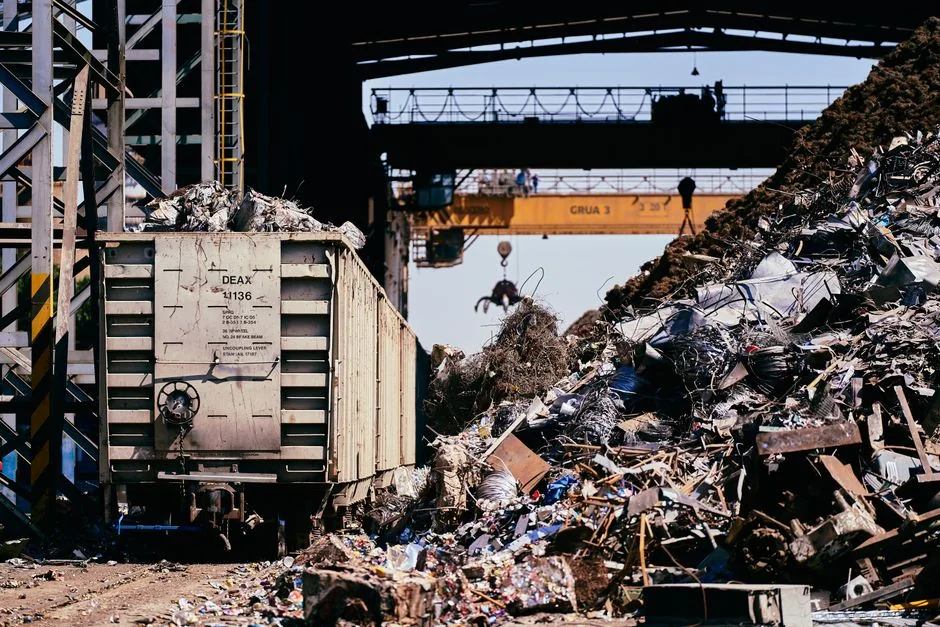
Imagine a typical morning in a Bhiwani scrap yard: piles of ferrous and non-ferrous metal, a small welding booth humming, and a handful of workers moving pallets. Heat from a nearby furnace rises unnoticed, and a stray spark lands on a stack of oily rags. Within minutes, flames leap across the scrap, feeding on oily residues and oxidised shavings. The fire alarm, an older manual pull-box, is never activated, delaying the arrival of the fire brigade and allowing the blaze to engulf a large part of the yard.
A scenario like this points to two gaps common in many Haryana recycling facilities: no systematic material segregation and no hot-work control. When combustible waste sits beside hot metal, the fire triangle completes itself. Without a documented hot-work permit there is no pre-work risk assessment, no isolation of ignition sources, and no designated fire-watch. These oversights are not rare; they come from limited awareness of how fire safety applies to scrap handling.
For owners, the cost of a single fire goes beyond damaged inventory; it threatens livelihoods, disrupts supply chains, and can invite regulatory action. The scenario above is a reminder that even a well-intentioned yard can become a fire magnet without a practical checklist. The following sections break down the essential steps.
Segregate every material – the first line of defence
Start by dividing scrap into three clear zones: ferrous metal, non-ferrous metal, and combustible waste. Use colour-coded steel drums with ISI-marked lids for oily rags, lubricants and other flammable liquids. Position these drums away from open flames and store them under a ventilated canopy that prevents rain accumulation. The segregation map should be posted at the yard entrance, and each zone must be fenced with chain-link barriers to restrict unauthorised movement.
Regular inspections are essential. Assign a senior foreman to conduct a weekly walk-through, checking that oily residues are wiped from equipment surfaces and that no scrap is piled against the fire-watch tower. Any deviation – such as a pile of copper scrap leaning on a welding station – must be corrected before the start of the next shift. Document the inspection on a simple checklist, signing off each item to create a traceable record for internal audits and external inspections.
Training the workforce on segregation protocols pays dividends. Conduct a short, on-site briefing at the start of each month, using real-life photos from the yard to illustrate correct and incorrect stacking. Reinforce the message that a single misplaced bag of oil-soaked cloth can ignite a whole pile. When workers understand the why, compliance improves and the yard’s fire risk drops dramatically.
Colour-code drums: red for flammables, blue for non-flammables, green for recyclables
Maintain a safe clearance between welding area and combustible zones
Weekly segregation audit signed by foreman
Hot work permits – formalising every spark
Any activity that generates an open flame or high temperature – welding, cutting, brazing – must be preceded by a hot-work permit. The permit is a simple one-page form that records the location, duration, personnel involved and the fire-watch assignment. Before work begins, the permit officer checks that all combustible material within a safe radius has been cleared or covered with a fire-retardant blanket.
The permit also mandates that a fire-extinguishing device, typically a CO2 or dry-chemical extinguisher with an ISI stamp, be positioned within arm’s reach of the work area. Once the hot work is completed, the permit officer verifies that the area is adequately cooled and that no smouldering debris remains. Only then is the permit signed off and the work area cleared for normal operations.
A common pitfall is treating the permit as paperwork rather than a safety control. To avoid this, integrate the permit process into the daily shift logbook, making it a routine entry rather than an optional task. Supervisors should random-spot-check permits during peak activity periods, ensuring that the system is not bypassed when production pressure builds.
Clear a safe radius of combustibles before hot work
Place a rated extinguisher within arm’s reach of the worksite
Allow sufficient cooling time after completion before signing off
Fire watch routines – eyes and ears on the yard
A dedicated fire-watch person must be appointed for every shift where hot work or high-temperature processes occur. This individual carries a portable fire-watch log, a handheld radio, and a handheld flame-detector approved for industrial use. Their primary duty is to patrol the hot-work zone continuously, watching for sparks, smouldering debris or unexpected temperature rises.
During the watch, the officer must test the fire alarm by pulling the manual call point at least once per shift to confirm audible coverage across the yard. If the alarm does not sound clearly, additional sounders or visual strobes must be installed. The fire-watch also records any near-miss incidents, such as a spark landing on a scrap pile, noting corrective actions taken on the spot.
Zed-King Fire & Safety offers a specialised fire-watch training programme that equips yard staff with the skills to recognise early fire signs and operate portable detection equipment. The service includes a practical drill that mimics a hot-work scenario, ensuring the fire-watch team can respond swiftly and confidently.
Assign one fire-watch per hot-work shift, equipped with a portable detector
Test alarm audibility at least once each shift
Log near-misses and corrective actions in a fire-watch register
Emergency response planning – from alarm to evacuation
Every scrap yard must have a written emergency response plan that outlines alarm activation, evacuation routes, assembly points and liaison with the local fire brigade. The plan should be displayed prominently near the main gate and at each work zone. Evacuation routes must be kept free of stacked scrap and clearly marked with reflective tape, especially during night operations.
Conduct a tabletop drill at least quarterly, involving all personnel – drivers, supervisors, and administrative staff. The drill walks participants through a simulated fire scenario, testing communication channels, the speed of alarm activation, and the efficiency of the assembly point check-in. After each drill, record lessons learned and update the response plan accordingly.
Maintain a stock of appropriate extinguishers – water-based for metal fires, dry-chemical for electrical sparks, and foam for oil-soaked waste. Ensure each extinguisher is inspected monthly, with the inspection tag showing the date and the inspector’s initials. A well-maintained kit, combined with a rehearsed evacuation, can contain a fire before it spreads beyond control.
Display emergency plan at main gate and work zones
Quarterly tabletop drill involving all staff
Monthly inspection of all fire-extinguishers with tagged records
Putting it all together – a roadmap for safe operations
Start by mapping your yard into the three segregation zones and installing colour-coded, ISI-marked drums. Follow with a written hot-work permit template that ties into your shift logbook, and appoint a fire-watch for every hot-work period. Conduct the first fire-watch audit promptly, noting any gaps in alarm audibility or extinguisher placement.
Next, draft a concise emergency response plan that reflects the yard’s layout and local fire-service contact details. Schedule the initial quarterly drill soon, and ensure every participant receives a brief on evacuation routes and assembly point procedures. Keep a master checklist of all actions, reviewing it weekly to guarantee compliance and to capture any new risks that emerge as the yard expands.
For a practical start, call Zed-King Fire & Safety to arrange a free site survey. Their experts will walk the yard, identify specific fire hazards, and provide a tailored checklist that meets the relevant Indian Standard and Haryana fire-service expectations. Taking that step today turns a theoretical checklist into a living safety system, protecting your assets, your workers and your licence.
Frequently Asked Questions
What causes fires in scrap yards?+
Combustible waste such as oily rags kept next to hot metal or hot work is the usual cause, together with welding or cutting done without a permit or a fire watch.
What is a hot work permit?+
It is a short form completed before welding, cutting or brazing. It records the location, duration and people involved, confirms that combustibles nearby have been cleared or covered, and names the fire watch.
How should scrap be segregated to reduce fire risk?+
Divide it into ferrous metal, non-ferrous metal and combustible waste, and keep oily rags and flammable liquids in closed, marked drums away from open flames.
#Safety Checklists#Haryana
Need help with this at your own site?
Zed-King Institute of Fire And Safety has handled fire equipment, AMC, Fire NOC and training for factories, schools, hospitals and commercial buildings across Haryana since 2012. Free site survey, honest assessment — only what your building actually needs.